Article translated by an automatic translation system. Press here for further information.
How to prepare the Camino de Santiago: planning and tips
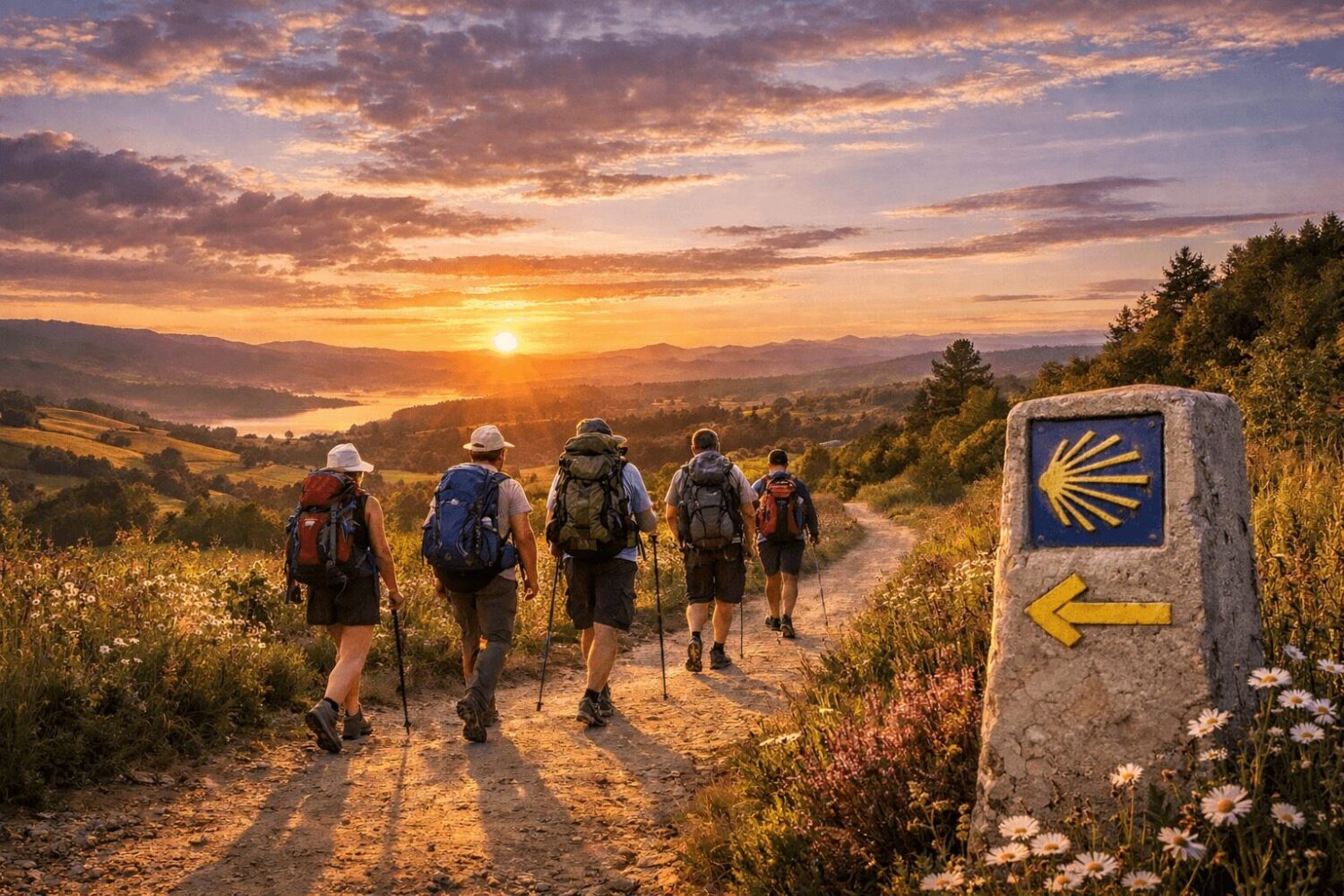 Image:
Consumer
Image:
Consumer Having at hand important recommendations and tips to enjoy the Camino de Santiago, can make a difference in your experience as a pilgrim.
Arriving at the beginning of the trip with the appropriate information on topics such as preparation, equipment or health, will give you security and the necessary confidence to face the adventure with the most important aspects under control.
We have compiled a good number of indications that you must take into account before and during the journey. Take note and prepare yourself very well for what will be one of the most special experiences of your life!
Seven recommendations and essential tips to enjoy the Camino de Santiago
In our list of tips and recommendations we will address issues prior to the beginning of the Camino, and others that will be very useful to you when you are already immersed in the pilgrimage.
1 Choice of the perfect Camino Route
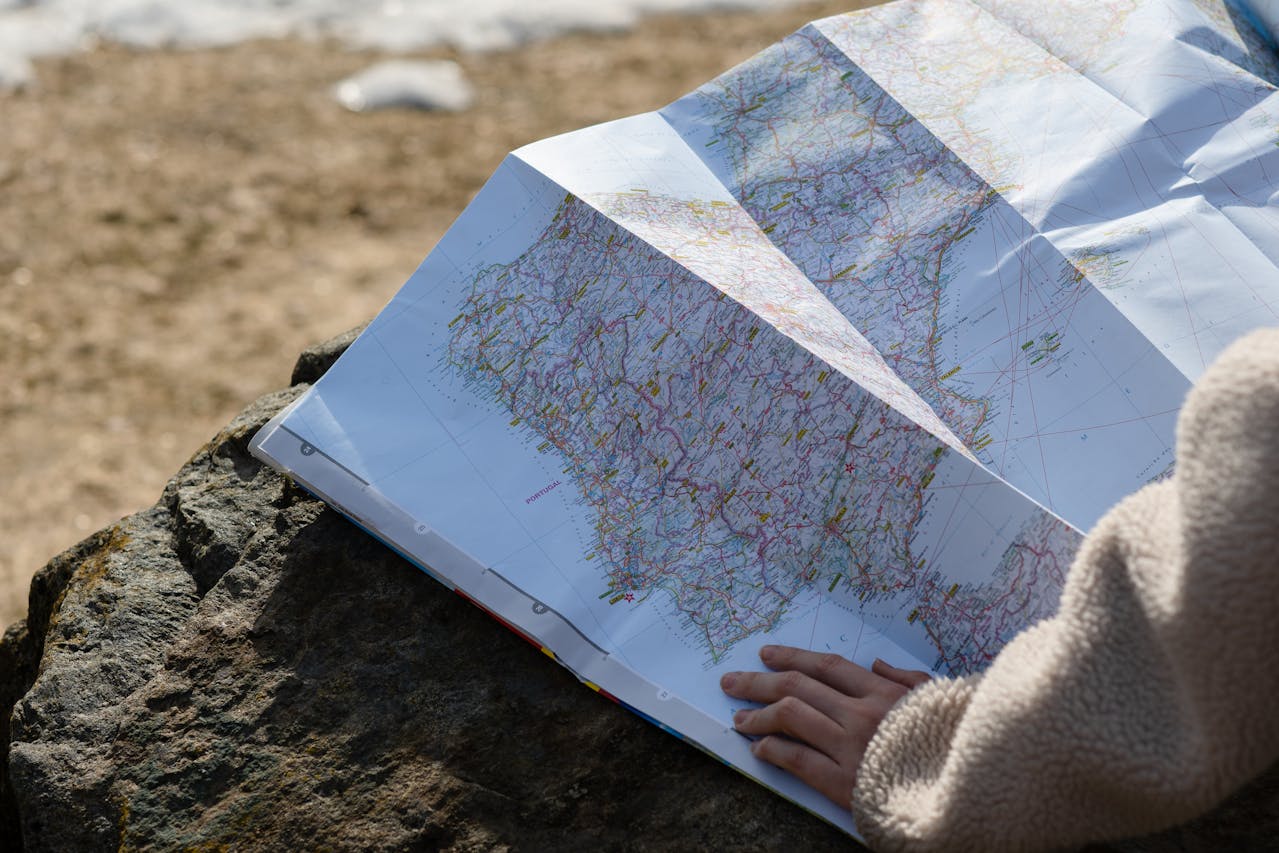
Photo by Marina Leonova
When it comes to enjoying, not suffering, the first thing to keep in mind, is that the Camino must adapt to your capacities and your physical state. Wrongly choosing a route with very demanding stages, with a lot of effort and sacrifice, can ruin your experience.
The Camino de Santiago has 12 official routes, each with its own special characteristics:
- Among the main options, because they are the most traveled, known or popular for their beauty: the Camino Frances, the Camino Portugues, the Camino del Norte, the Camino Primitivo and the Camino Ingles.
- The rest of the alternatives: the Via de la Plata, the Camino Sanabrés, the Camino Vasco, the Camino Baztanés, the Catalan Way through San Juan de la Peña, the Camino de San Salvador and the Epilogue to Fisterra and Muxía.
When choosing, in addition to the level of difficulty and your previous hiking experience, you must take into account the time you have and the amount of km you want to walk a day.
If it is a few days, you will have to select routes with shorter sections, such as the Camino Portugues or the Camino Ingles. If you are not afraid of challenges, the Camino del Norte and the Camino Frances will live up to your expectations.
2 The importance of the season of the year
Another important point that will influence the sensations during the Camino is the time of the year chosen to undertake it.
- Spring and autumn are the seasons with the most temperate temperatures and an ideal influx of pilgrims.
- Summer is a very hot period, with very high temperatures, especially in stages that run through the interior. It is also the most crowded season, which receives the highest number of pilgrims.
- Winter, with the most unstable weather, cold, rain and the possibility of snow in the northern mountain areas, can make the trip very complicated. It will require better preparation and planning, although it has a good part: since there are many fewer pilgrims, the Camino can be enjoyed more calmly.
3 Train before the Camino
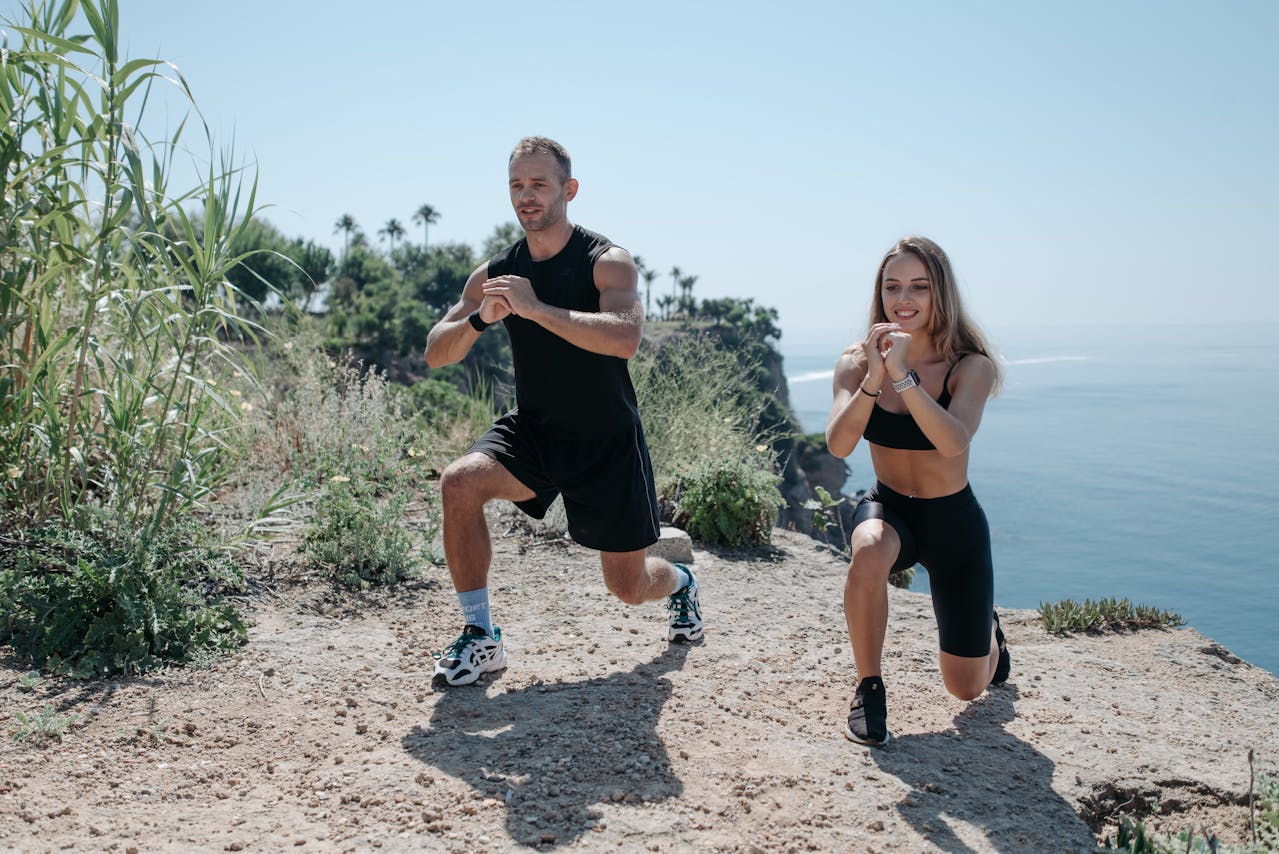
Photo by Pavel Danilyuk
Before starting the adventure you have to make sure you do it in the best physical condition.
If you are not used to hiking, it is essential that you prepare your body so that it is able to endure each stage without problems and avoid injuries.
It is advisable to start training a few weeks or months before, and do it gradually. With shorter walks at the beginning, and increasing the km progressively. Combining flat stretches with others that have slopes, to get accustomed to your body’s physical effort.
A good starting point for beginners is to start with walks of 15 to 20 km. From 20 to 25 km for people who are somewhat accustomed to walking, and from 25 km onwards for the most experienced.
As part of the training, also include the backpack with the approximate load of what you will carry along the Camino. This will allow you to adapt to the real weight.
4 Take care of your health during the crossing
Once the journey begins, it is very important that you listen to your body, and mark your own rhythm, preventing others from doing so.
Perform warm-up exercises before starting the day and stretch very well always at the end. You will relax your muscle tension and protect yourself from possible injuries.
Take breaks on a regular basis to regain strength and rest.
The diet on the Camino must be healthy and balanced. In addition to the 5 recommended daily meals, eating light snacks like nuts, energy bars, fruits (and dehydrated fruits), chocolate or cereals will help you recover energy and keep your performance level high.
Remember to hydrate every little time with water preferably or isotonic drinks, especially if it is hot, and check your feet if you notice discomfort, to treat blisters or scratches.
If there are hard or long stages on your Camino, in your overall planning you must devote one day to rest. In addition to helping your muscles recover, you can take advantage of it to go sightseeing around the villages in your path and enjoy the local gastronomy in depth.
5 Equipment and essential elements in the backpack
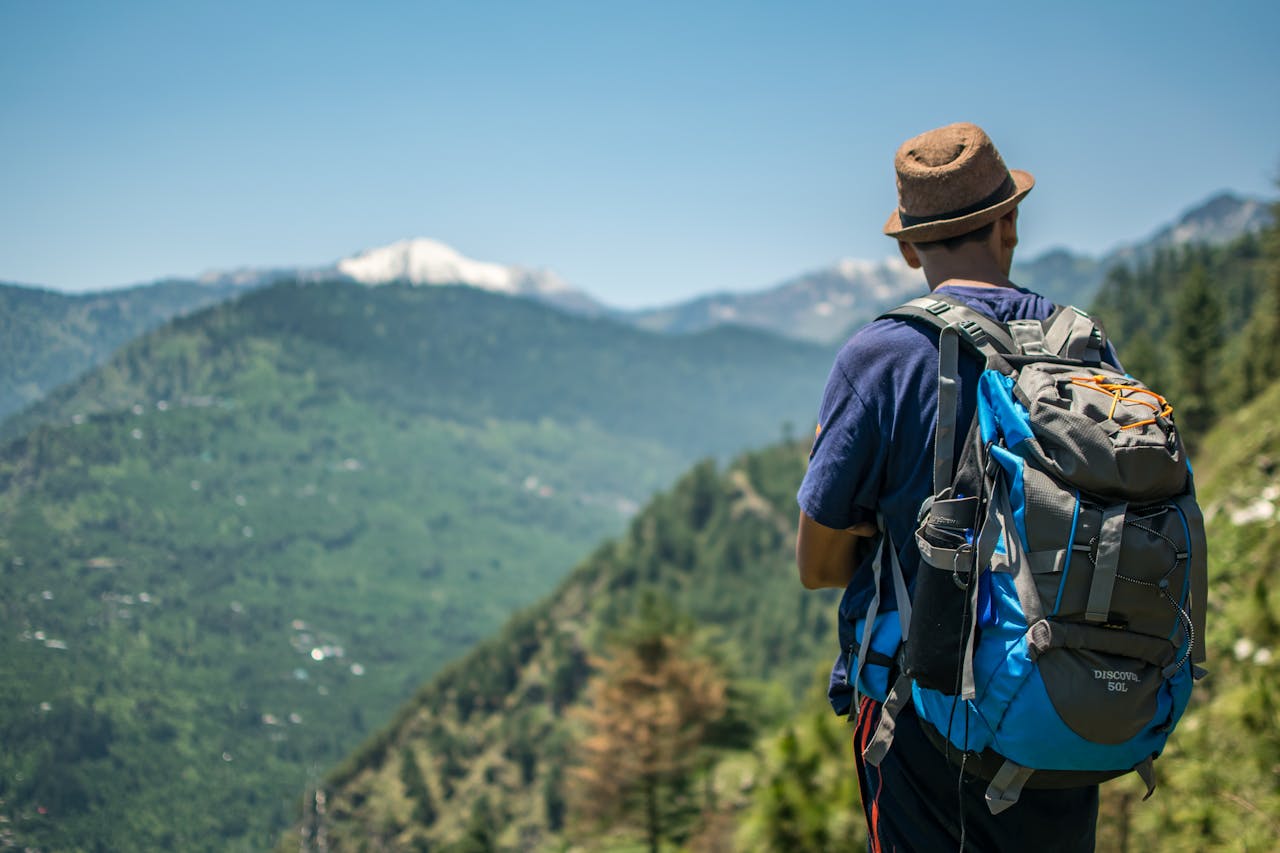
Photo by Ajay bhargav
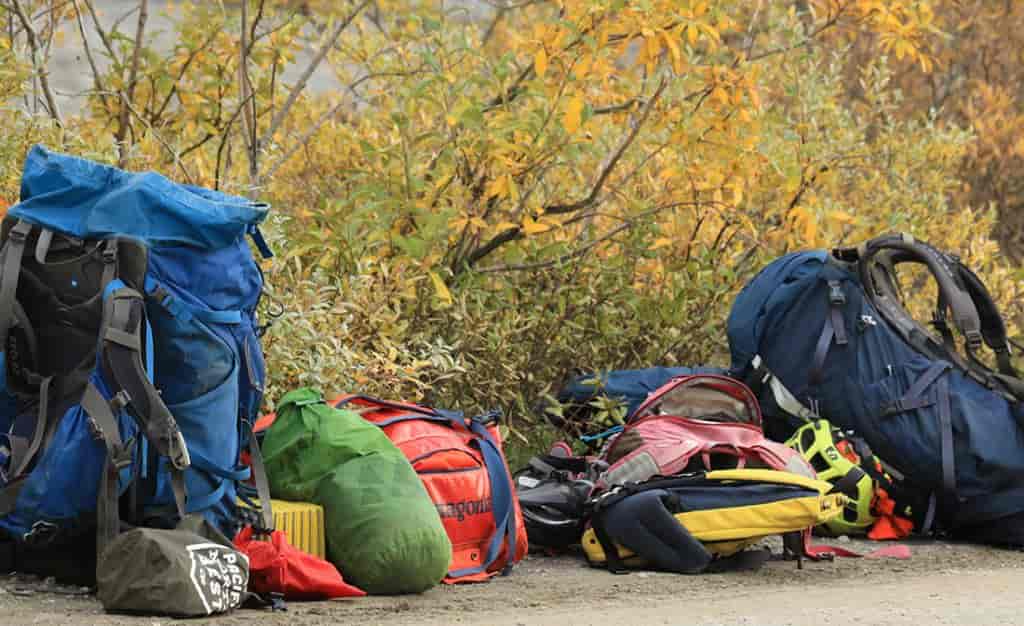
Organizing very well what can not be missing in the backpack and controlling its weight is essential to continue the whole Camino in a safe and pleasant way.
First of all you have to choose the most suitable type of backpack. For convenience, the anatomical ones are better, with adjustable and padded straps.
We must pay attention to the clothes and footwear that we will wear on adventure days, because they will influence the performance we have:
- Although the clothing fits the time of year in which you make the Camino, you should be prepared for possible variations in atmospheric conditions. Wearing breathable layers is a good practice because you can adapt your clothes depending on the grades you do, removing or putting on clothes.Inappropriate boots or sneakers can cause discomfort and injury.
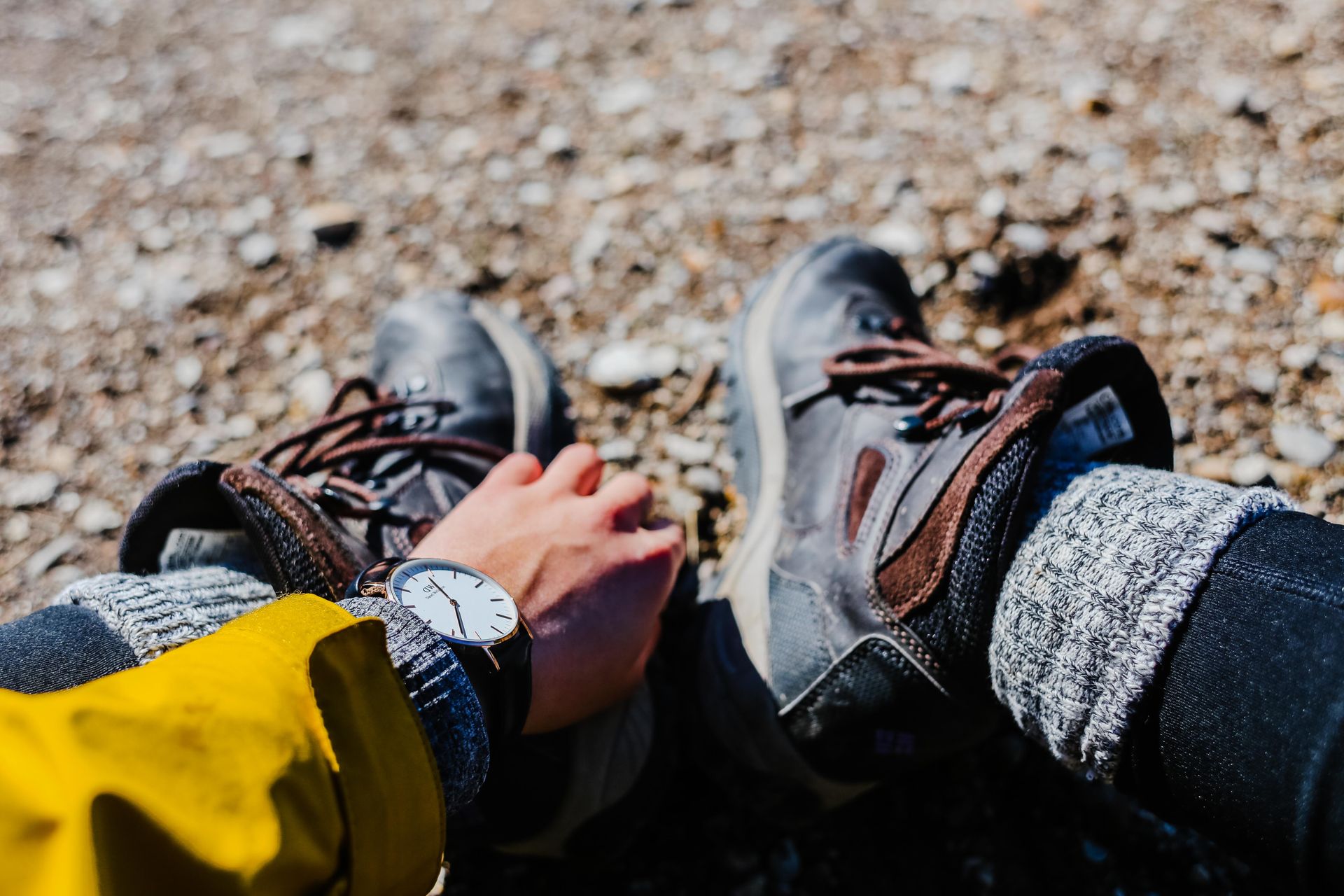
- To reduce the chances of injuries, it is advisable not to wear shoes on the first day of the walk. The ideal is to use it previously during the preparation and training period, so that the feet are already used to their form, fit, weight and volume.
- Depending on the type of route chosen and the time of year, you will have to choose between using a boot or a light trekking shoe. While the first is suitable for irregular stretches or roads with mud and stones, offering greater support and protection for the ankles, the second is perfect for stages that run through asphalted or less abrupt areas.
- The socks are also important, and it is recommended to choose those that are indicated for hiking and to wear a pair of spare parts. They are usually made with wool and synthetic fibers, to keep the feet protected from blisters and scratches, without being heated too much.
Finally, you should always carry a raincoat or other waterproof clothing, sun protection cream, sunglasses and a cap in your backpack. In addition to a small kit with painkillers, essential medicines, bandages, bandages and other basic elements to treat small problems or discomfort that may arise.
6 Correct orientation and updated information during the pilgrimage
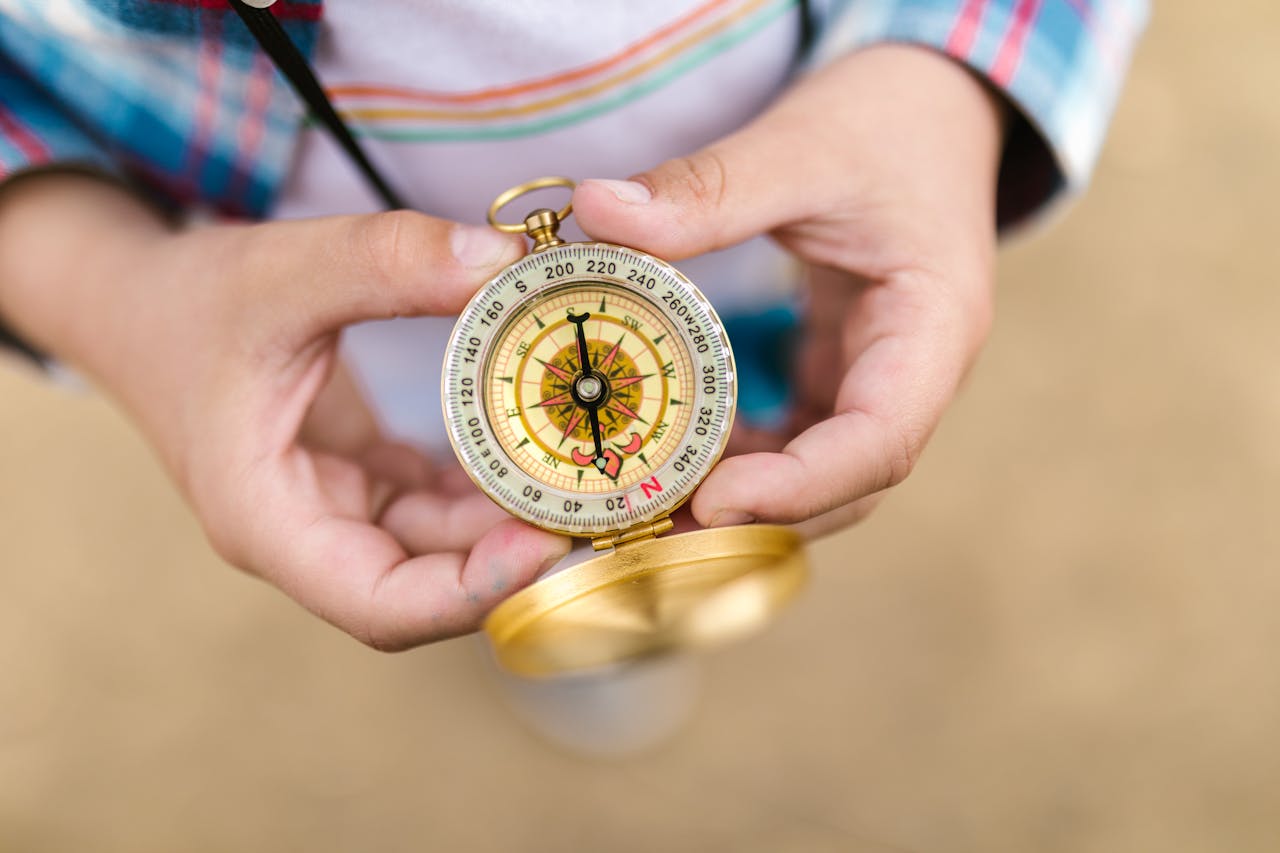
Photo by RDNE
Knowing how to orient yourself correctly during the Camino de Santiago will prevent you from wasting precious time and reaching the goal without any setback.
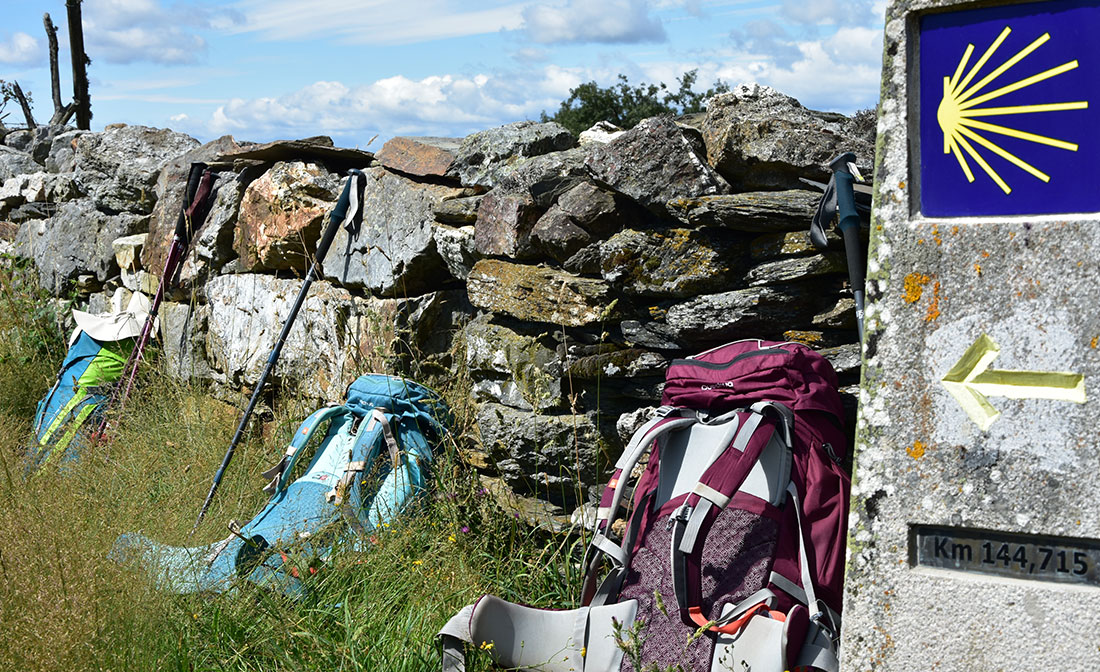
To guide the pilgrim in the right direction, there are concrete signs. The iconic yellow arrows, located in strategic locations, the landmarks and informative posters, that report on distances and stages. We must be attentive to all these signals so that we do not take unwanted deviations.
There are also a number of resources that can be of great help when doubts arise when continuing along a stretch:
- Have a map or a printed guide of the Camino.
- GPS applications that allow you to locate yourself in real time.
- Connect to digital platforms, social networks and forums where you can see reviews of other pilgrims about the state of the routes, information about accommodations and time to time.
- Have tools, such as our Planner of the Camino de Santiago, that allow you to organize, save and consult updated information.
Without forgetting that the locals can be a valuable collaborator to point the right way and offer good recommendations on the place and the environment that you are going through at that time.
7 Coexistence and security on the Camino
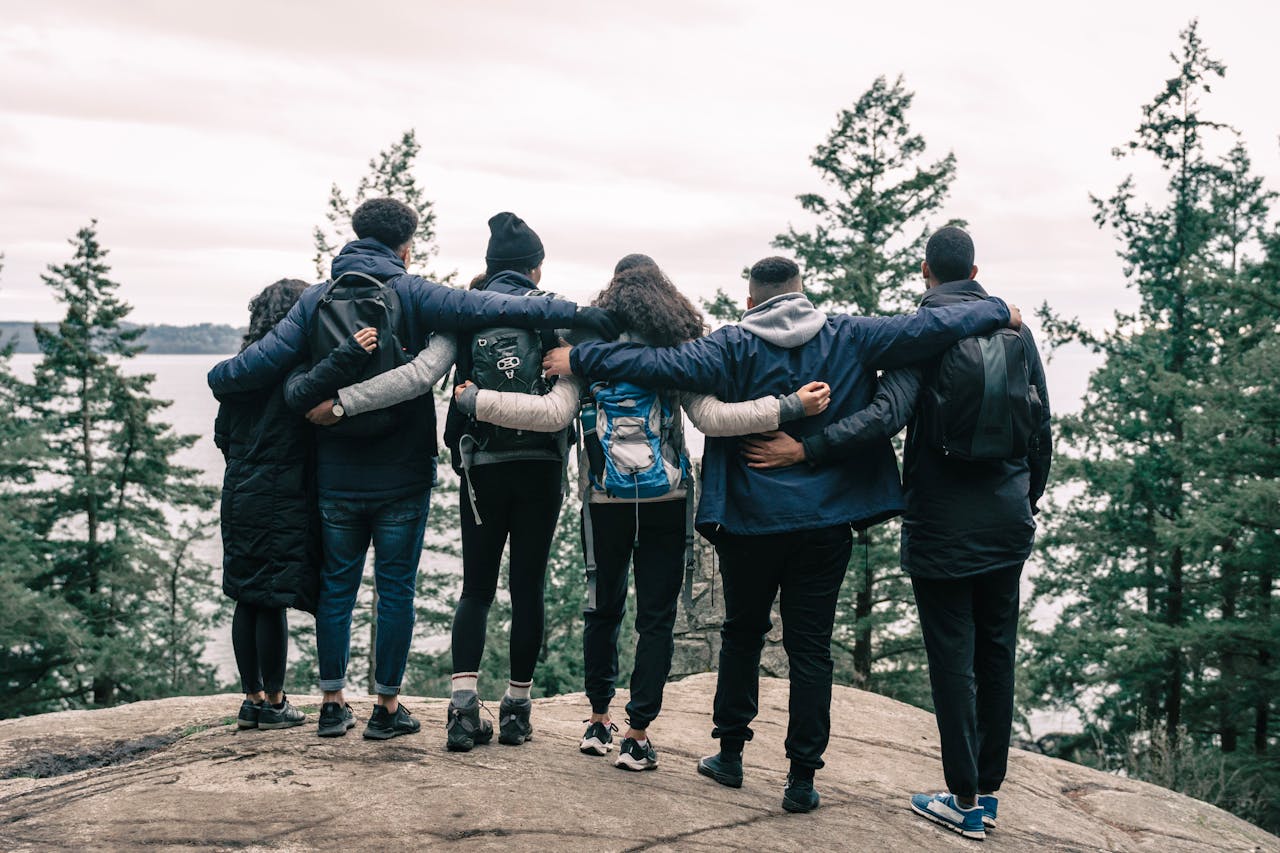
Photo by PNW Production
The Camino is a journey where the coexistence and collaboration between pilgrims plays a fundamental role.
Share the journey with other people, talk at rest stops or in hostels, exchanging sensations, tips and information of interest, generates community, forges friendships and enriches the experience.
If you are disoriented or lost, or in the case of suffering an accident or injury, resorting to other pilgrims or local people will be of great help to know where health centers are located or where health care is offered.
Another important aspect is that of security during the Camino. To fully enjoy the whole adventure you have to do it with caution. Especially if you undertake the trip alone and not in a group.
Dawn or dusk are times of the day when there are fewer pilgrims en route and it is necessary to remain alert and prudent when crossing and interacting with other people. It is also advisable to wear clothes and backpacks that are visible in less light, do not carry valuables in sight and, already in the hostels, secure the backpack well.
Following these simple basic tips will allow you to complete the Camino with peace of mind.
If you plan to make the pilgrimage one day, remember that you will need to organize, know and plan very well the different aspects that will directly influence your adventure.
This list of recommendations and tips to enjoy the Camino de Santiago will make it much easier for you. Save it to consult it whenever you need it!