Article translated by an automatic translation system. Press here for further information.
The 12 novice pilgrim mistakes that you should avoid on your first Camino de Santiago
10/06/2026
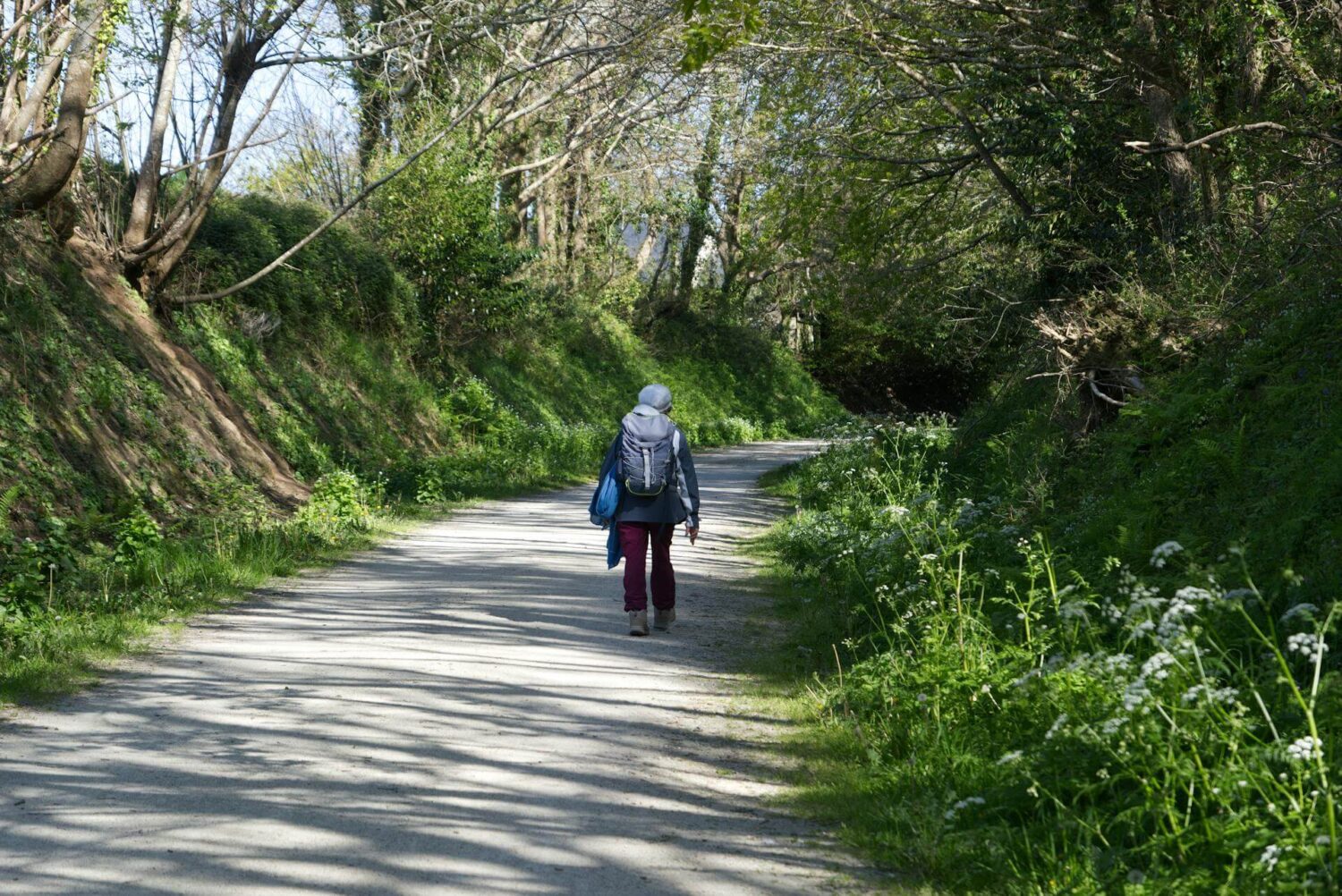 Image:
Richard REVEL
Image:
Richard REVEL The Camino de Santiago is an extraordinary adventure that combines challenges, natural beauty, spirituality, culture and history. Every year, thousands of pilgrims embark on this transformative experience, in search of disconnection and personal improvement.
However, there are a number of novice pilgrim mistakes that can obscure and affect the journey. We have compiled the most common ones so that you have them very present and you can avoid any inconvenience.
The most frequent novice pilgrim mistakes
Sometimes, remediable failures can take their toll on the Camino. Ignorance, lack of foresight or lack of organization can turn a great trip into a more complicated experience than necessary. But do not worry and attention to what follows, because if you are preparing your Camino, you are interested, and much.
Error 1: Do not plan the entire Camino well beforehand, and with flexibility
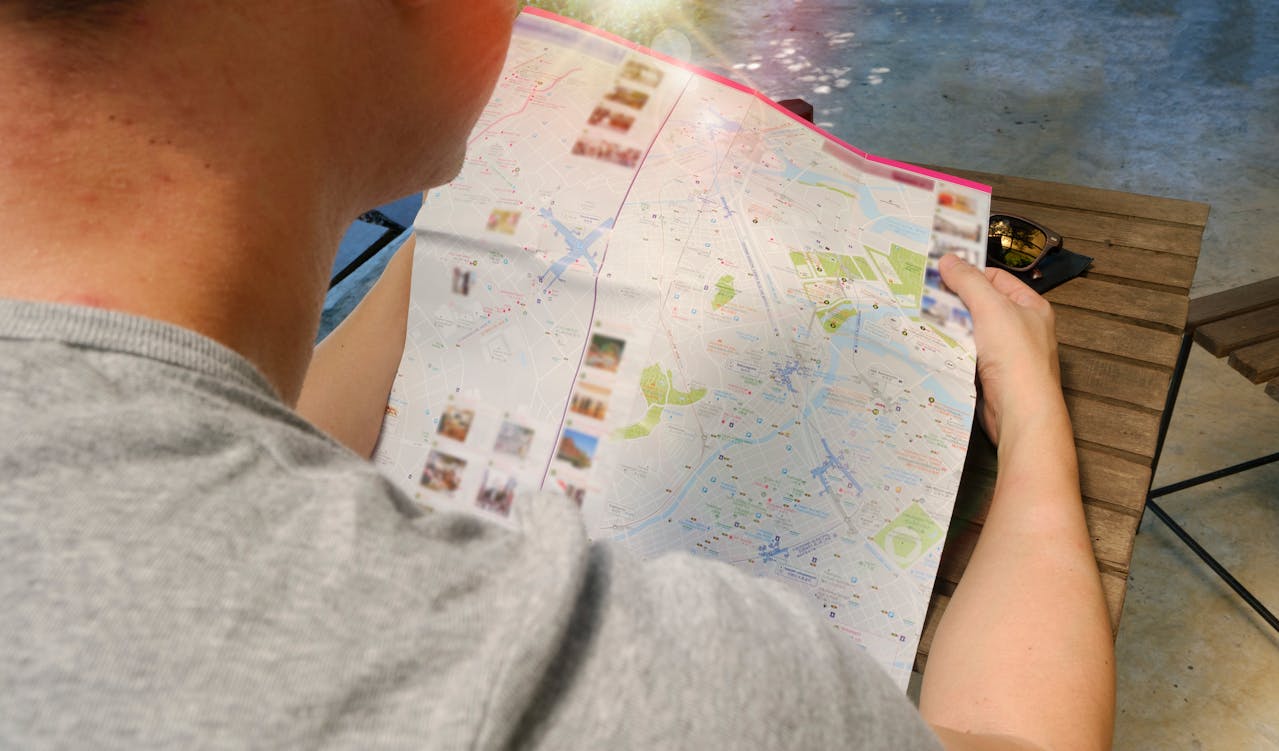
Photo by Porapak Apichodilok
Even if going on the adventure seems the most exciting, it's a mistake. It is better to know in advance what awaits you on the route. Where can you stop if you're tired, where can you find a pharmacy or supermarket to buy groceries, etc.
Another important flaw is to establish a closed number of days on exact dates and with very defined stages. If physical or weather problems arise, force you to slow down, or even stop the march, your "ideal" planning can go to waste. It must be understood that unexpected events are also part of the trip and it is advisable to be prepared to adjust the itinerary.
Error 2: Choose an inappropriate route, which is too demanding for you
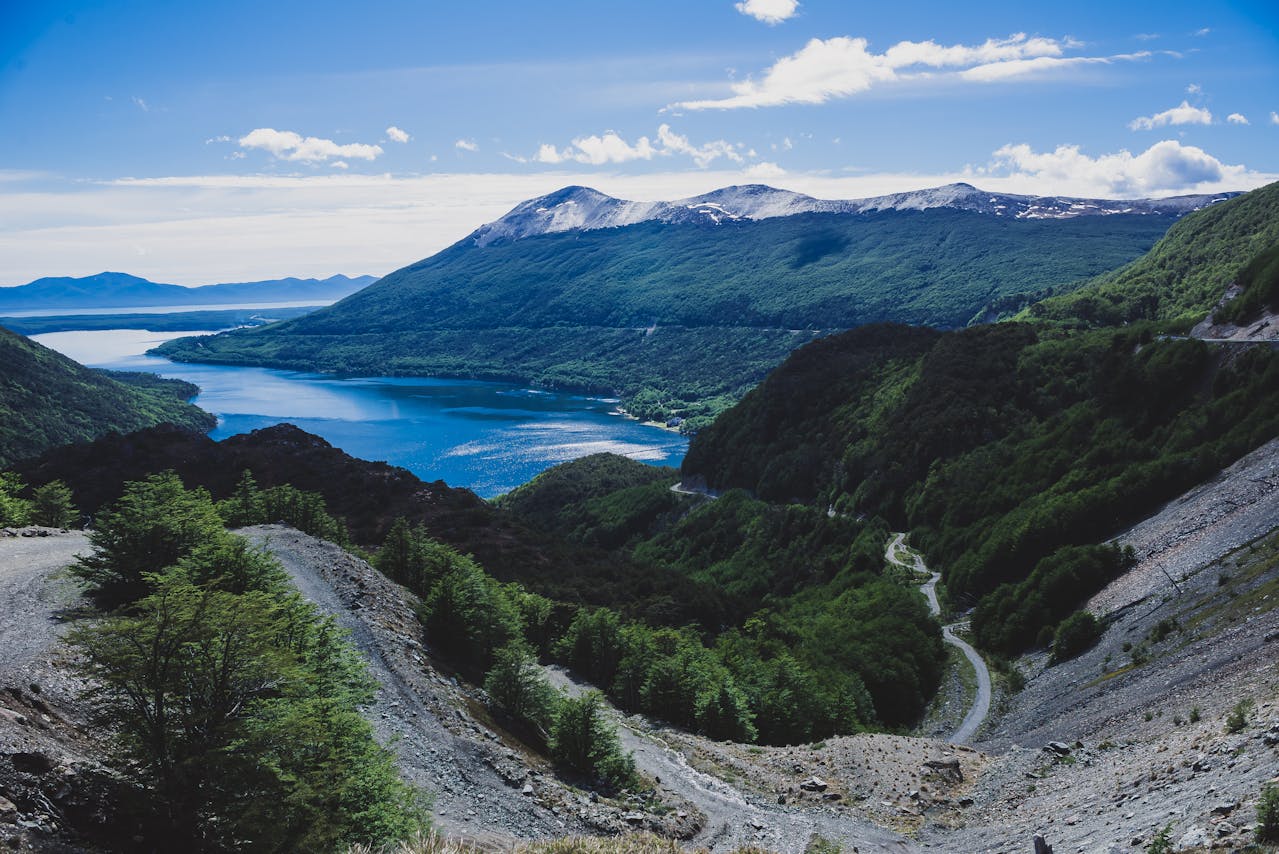
Photo by Clayton Leite
When you start organizing your pilgrimage it is essential that you consult all the available information about the different official routes and their main characteristics.
If you're a first-time or first-time traveler, and you're not physically ready to travel many miles for several days, you can start by looking at those routes that are flatter or that allow you to do shorter stages, and that have more services and shelters.
A bad choice can turn your vacation into an odyssey. Our Practical Guide of the Camino de Santiago will provide you with all the information of interest to be able to choose safely and without fear of mistakes.
Error 3: Don't get to the beginning of the adventure with the right physical preparation
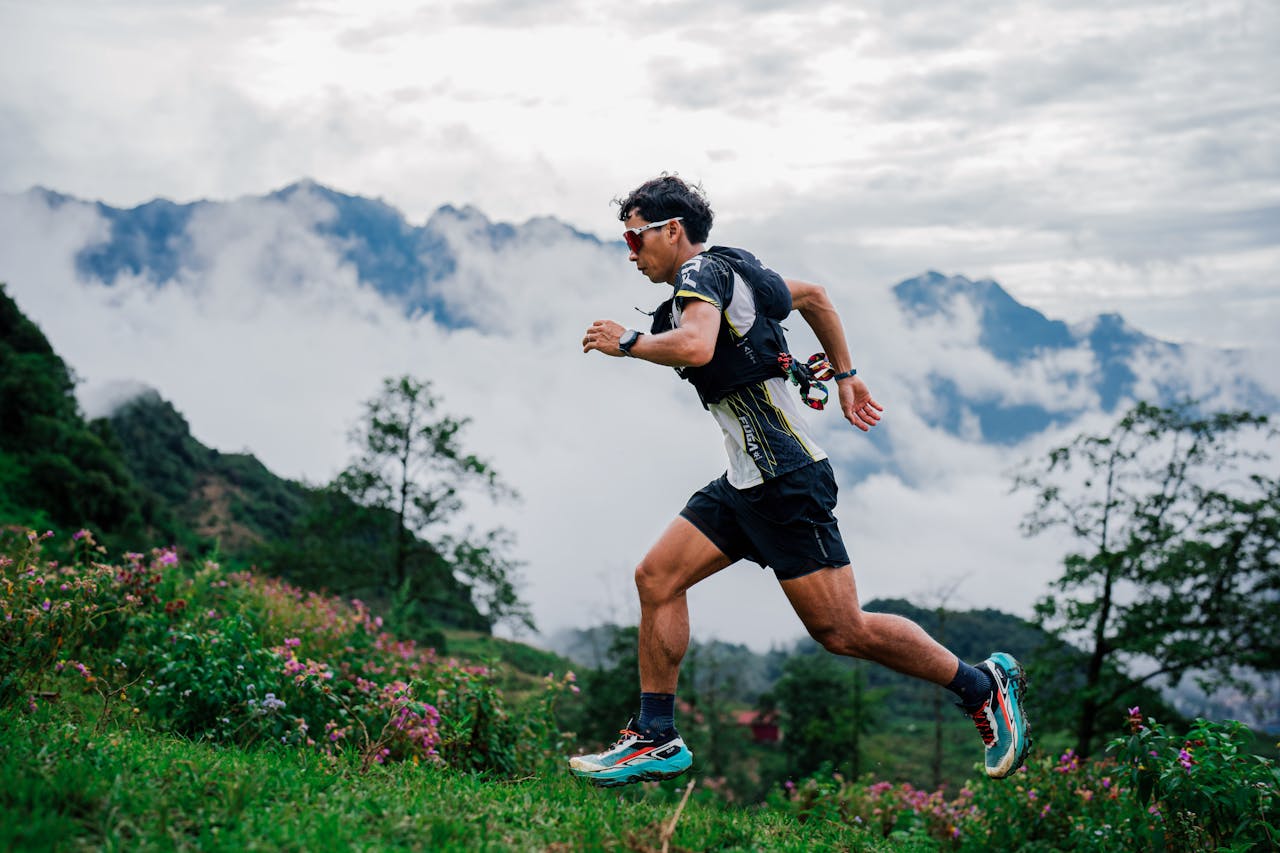
Photo by VANNGO Ng
You must train for the Camino. Your body should get used to walking long distances, for hours, and several consecutive days.
Prepare yourself by replicating in the most faithful way the conditions that you can find already immersed in the journey.
Walk on flat paths, on stretches with slopes, and do it, both in days of good weather and heat, and on bad days, with rain, wind or cold. Start with shorter and easier outings, to increase distances and intensity.
Use the shoes and socks you’ll be walking with, and carry the backpack with a weight similar to the one you should carry, but gradually increase it.
Error 4: Do not book the accommodation in advance

Photo of Ketut Subiyanto
Years ago it was not unreasonable to venture to do the Camino without making a reservation, because it was easy to find accommodation. Today, the popularity it has acquired internationally, makes it practically impossible to find something free on routes such as the Camino Frances or the Camino Portugues, especially in high season.
Try to book hostels, hostels, or hotels in advance when you’re in the middle of travel planning. Don't leave anything to chance and gain peace of mind.
Error 5: Ignore possible changes in time and don't wear the right clothes
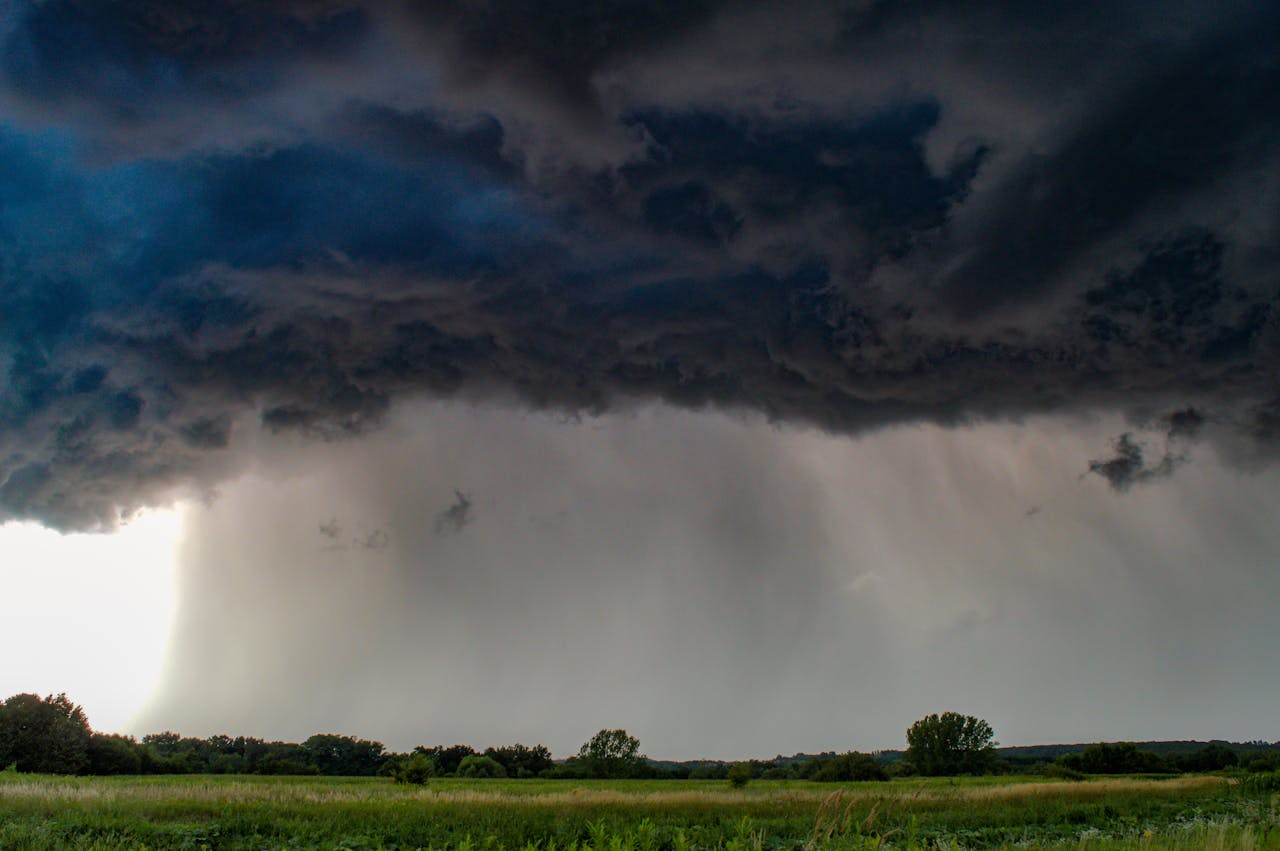
Photo by Anton Kudryashov
Weather and climate can vary greatly along the Camino and you must be prepared to face what comes next.
In this sense, it is important that you think very well about what to include in your luggage. Don't wear clothes that are too warm for the summer or thin for the winter, and don't forget to wear waterproof clothing in case it rains.
In winter it works very well to dress in layers. Specifically three. An inner layer, which is a thermal t-shirt, an intermediate layer, like a polar lining, and a last outer and more warm layer, like a raincoat.
In summer with a cape is usually more than enough. The garment you choose should be light, technical, that absorbs sweat and keeps you dry and fresh at the same time. Cotton t-shirts are not a good alternative.
As for footwear, it is appropriate to choose judiciously. High and sturdy boots can be perfect for keeping your feet dry and warm in autumn and winter. However, during the summer months, they will be very uncomfortable because they will reheat the feet and make them sweat.
With high temperatures, the most recommended option is the breathable trekking shoes. Lighter and more flexible than hiking boots.
Error 6: Carry a backpack that weighs too much
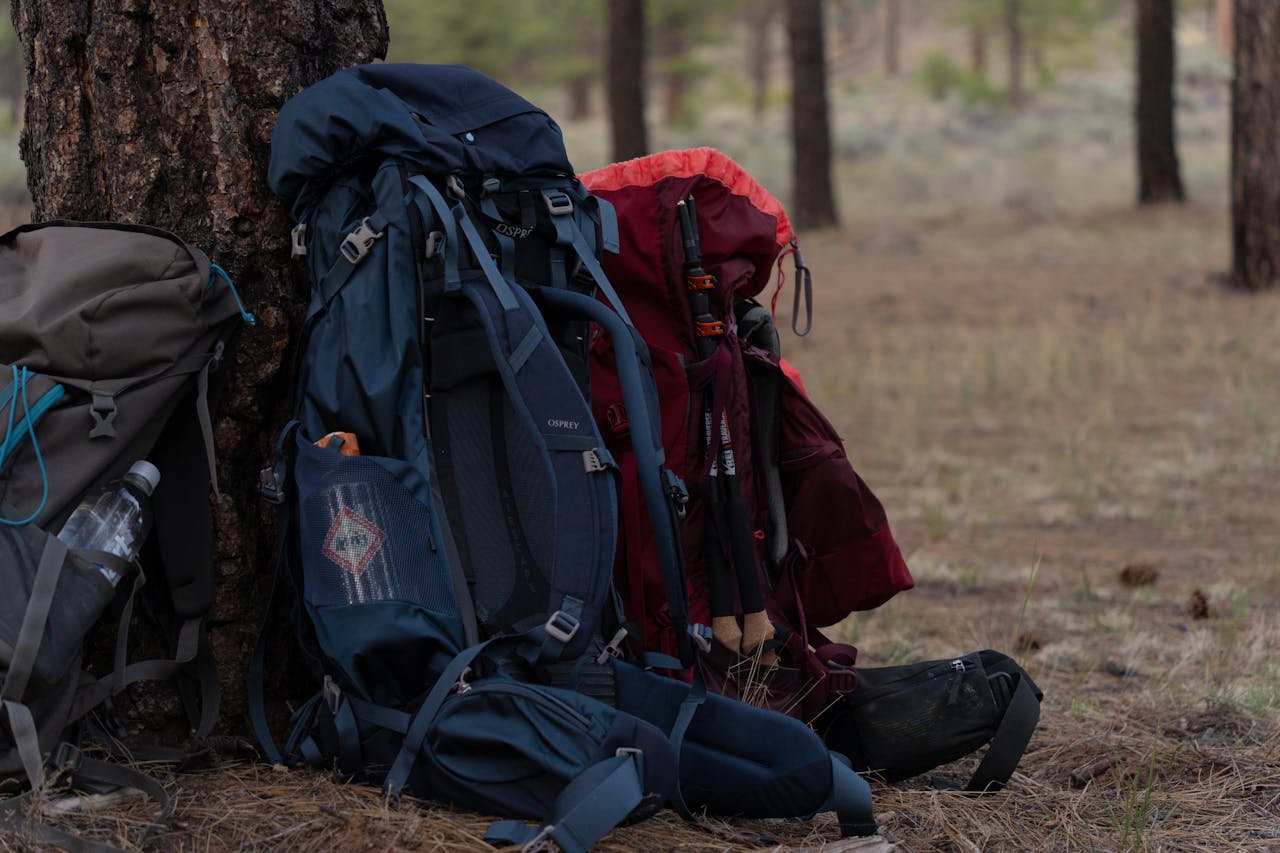
Photo by Alex Moliski
Putting things in the backpack "just in case" is a manual mistake among beginners.
The backpack should be as light as possible, avoid overloading it. Especially, because if you need something, you can acquire it in the villages you will pass through during the journey.
What you include in your backpack should not exceed 10% of your body weight. Remember that!
Error 7: Wear new shoes right at the beginning of the adventure
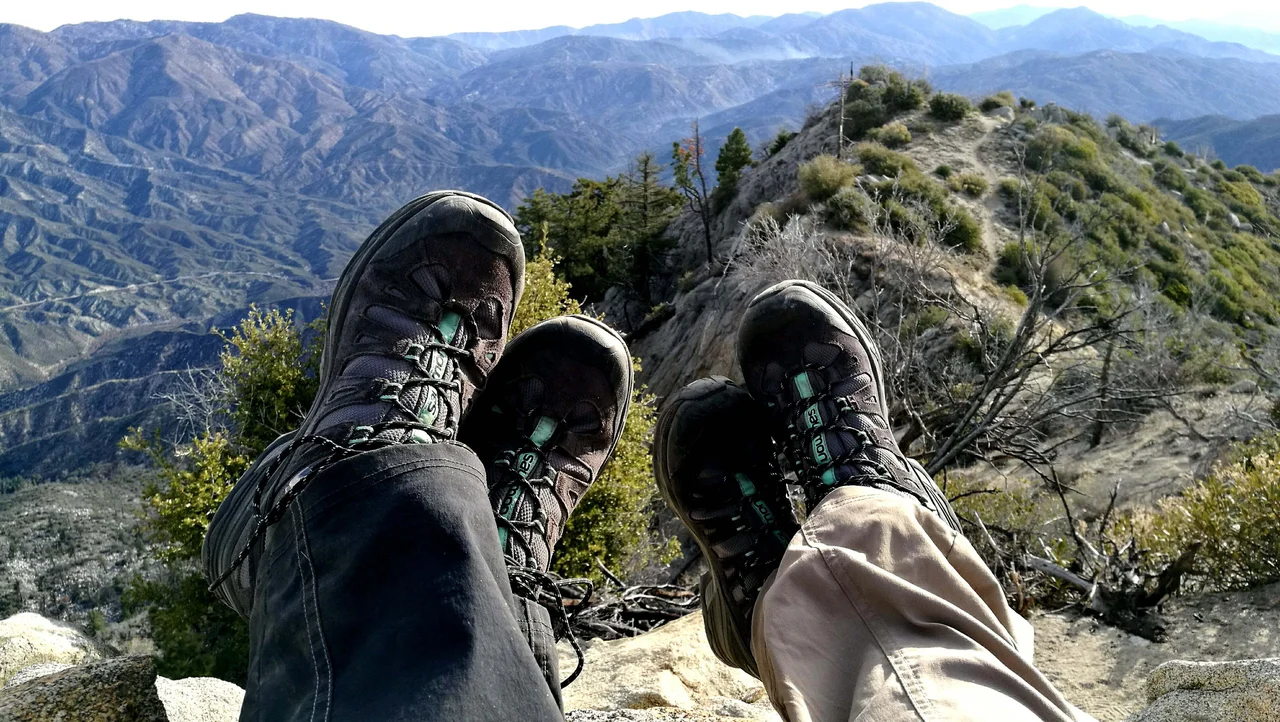
Photo by Noel Ross
If you want to avoid painful injuries such as blisters and scratches on your feet, do not wear your boots or your trekking shoes on the same Camino.
Buy the footwear in advance, and wear it while you are training before the trip. Ideally, it is already adapted to your feet.
Putting on quality socks that are breathable, and if possible without seams, will also be a perfect prevention and protection resource.
Error 8: Follow the rhythm of others instead of listening to your body
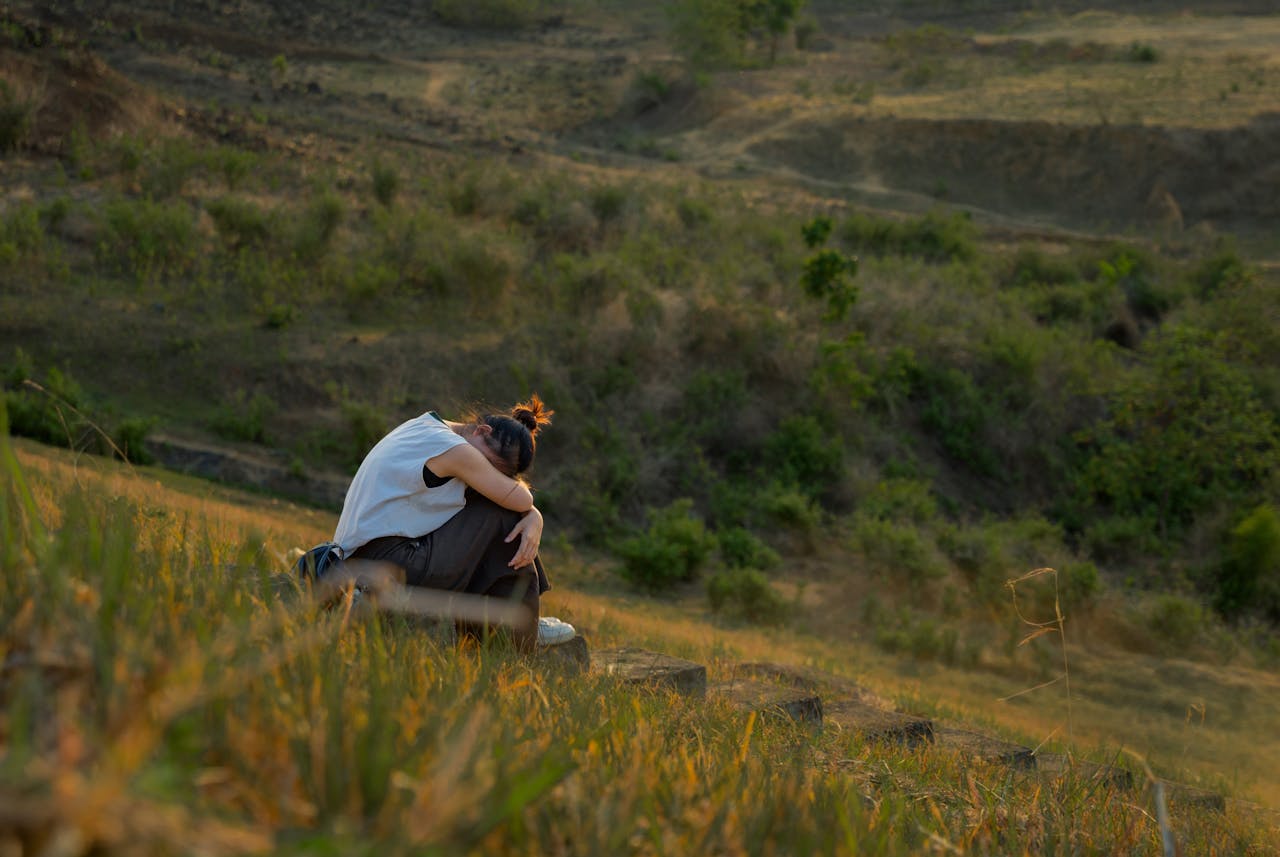
Photo by Thanh Loan
The Camino is exclusive to everyone and that is why you must do it at your own pace.
Everyone does not reach the beginning of the pilgrimage with the same physical condition, nor with the same level of endurance.
Trying to go too fast, or not taking just breaks to avoid being left behind from the group, can be exhausting and cause some injury. On the other hand, slowing down your pace because your company is slowing down, can also be frustrating.
If your rhythm differs from that of others, it remains at some specific point in the eating stage, or at the hostel at the end.
The Camino is not a race that must be won, but a tour to fully enjoy the trip. Always listen to the signals your body sends you.
Error 9: Neglecting the belongings
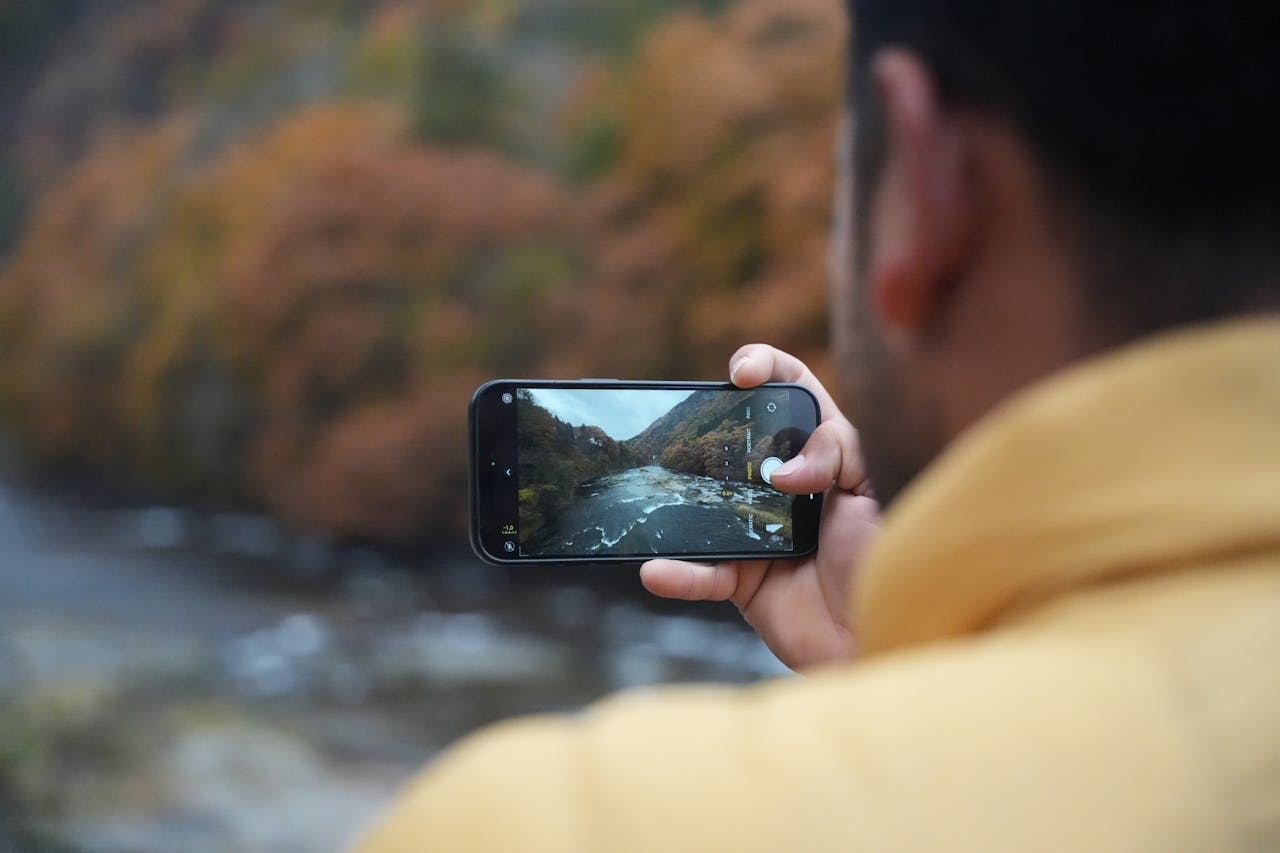
Photo by The Duluwa🇳🇵
The Camino is safe, but that should not lower the alert level with your most valuable belongings (wallet with money and documentation, mobile or the camera). Take them in a separate and accessible place such as a kidney bag or a shoulder bag to always have them at hand.
Error 10: Don't get too early
Photo by Francesco Ungaro
Laziness when getting out of bed can be a problem.
The summer months, in the middle of the day, usually make for a burning heat. If it catches you in the middle of the walk, it can be exhausting and harder to move on.
At the end of autumn or winter the days are shorter and there are fewer hours of light. This can force you to take a more demanding pace to get there by day at the end of the stages.
On the contrary, getting up early only has advantages. Arriving by noon at the end of each stage will give you time to shower without stress, eat calmly and rest. It will also allow you to enjoy the afternoon doing some sightseeing around the area.
Error 11: Being obsessed with walking and walking until the daily stage is reached
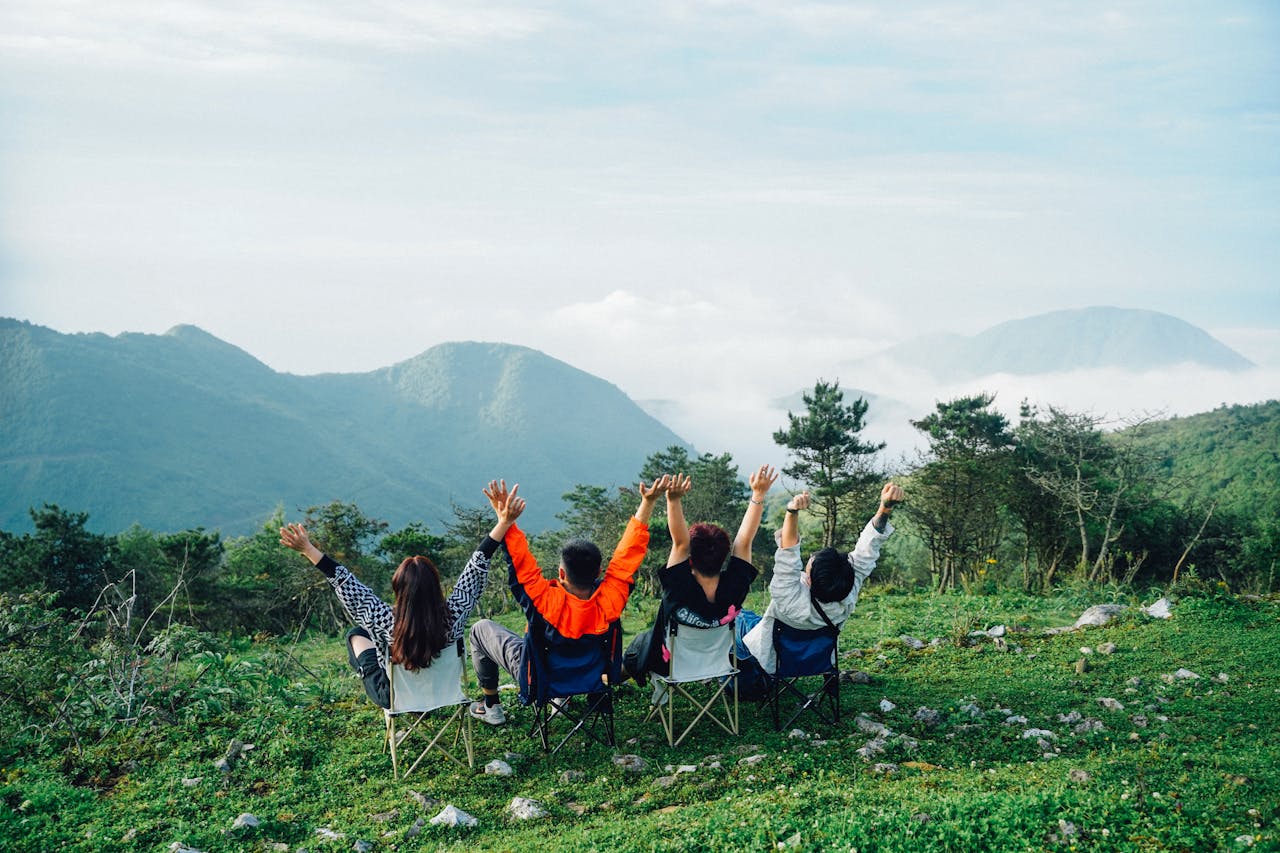
Photo by jiang hua
Enjoy the scenic spectacle offered by the Camino at every step. Stand, breathe, watch, feel, look closely around you.
Interact with other pilgrims, share stories, experiences and recommendations. Socialization is very important in the experience.
Save memories in your memory and immortalize many moments as well. Going back to them and remembering how you felt in those moments, when some time has passed since you completed the pilgrimage, will be something magical.
Error 12: Do not respect the environment, nor the community

Photo by Karim Ayman
Keep the trails clean and don’t leave garbage. Take care of the nature. Don't bother the animals you meet. Do not invade other people's properties (those of the neighbors who live in the vicinity of the Camino), nor generate damage.
Respect other pilgrims in the common spaces of the hostels. Don't leave your belongings or your backpack in the middle of the room, in the kitchen or in the bathroom.
There are many people who perform the Camino with a religious sense. Be kind and also respect their times, if you see that at any given moment they start praying.
Your attitude can influence both your experience and that of others. It's in your hand that it's nice. Help and support others who go through a moment of tiredness or discouragement.
Respect for nature and for other pilgrims is not only an act of education or courtesy, but a way to connect with the essence of the journey that so many have undertaken over the centuries.
Novice pilgrims are lucky to discover the Camino for the first time, with an exciting and new look. Don't let easy-to-avoid mistakes tarnish your experience. Follow these tips, plan with common sense, and make the difference between suffering the Camino or enjoying each step as you advance to Santiago.