Article translated by an automatic translation system. Press here for further information.
Myths and legends of the Camino de Santiago
31/01/2026
 Image:
ArtPhoto_studio
Image:
ArtPhoto_studio Folklore, beliefs, magic, and some miracle reside in the myths and legends of the Camino de Santiago.
The Jacobean routes emerged in the Middle Ages, when the tomb of the Apostle James was discovered in the 9th century, and since then there are numerous unusual stories surrounding them.
Fantastic narratives, epic stories and surprising, that enrich the experience along the Path and make it much more special and profound.
Legends that connect the pilgrim with the history, cultural and spiritual tradition of each region that crosses.
8 Myths and legends of the Camino de Santiago
The stories that have been passed down from generation to generation over the centuries have preserved and kept the stories alive. Establishing a link of union between the pilgrims of centuries ago with the pilgrims of today.
Today there are quite a number of myths and legends, although today we will share the most popular and some more. Enjoy them!
The legend of Fuente Reniega

Photo by Consumer
It takes place near Pamplona, in the Alto del Paraíso. He describes how an exhausted and thirsty pilgrim searched unsuccessfully for a fountain.
At that moment, the devil appeared to tempt him, offering him to drink if, in return, he renounced his faith in God, in the Virgin and in the apostle James.
The pilgrim reneged the three times and rejected it, getting the devil to vanish leaving a cloud of sulphur. Then, the apostle James appeared and caused a fountain to sprout so that he could become hydrated.
The legend of the Knight of the Shells
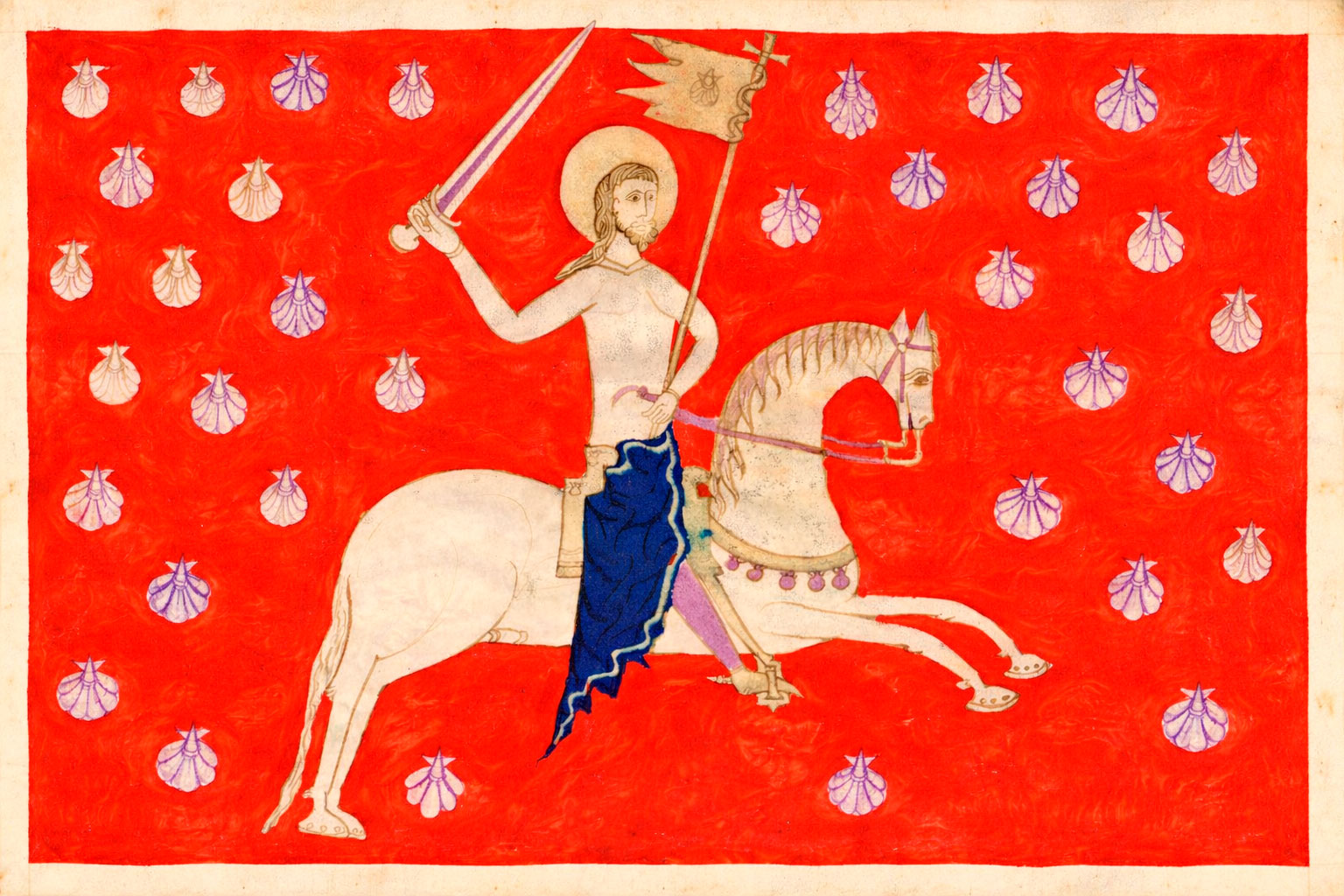
Consumer Photo
The story is located in Bouzas, a seafaring village in Vigo.
During a game to entertain the guests of a wedding, the groom disappeared next to his horse, sunk into the sea as he tried to catch a spear thrown into the air that traveled by the wind.
Theodore and Athanasius, the two disciples of the Apostle James, passed through the place and carried his body in a boat from Palestine to bury him. At that moment, and after a distressing time, the young man emerged safely from the waters on the back of his horse, covered with scallop shells. An event that they considered a divine sign and by which the knight converted to Christianity.
This story explains the origin of the scallop shell as the symbol of the Camino de Santiago and the protection and faith of the pilgrim.
The legend of Queen Lupa and the oxen
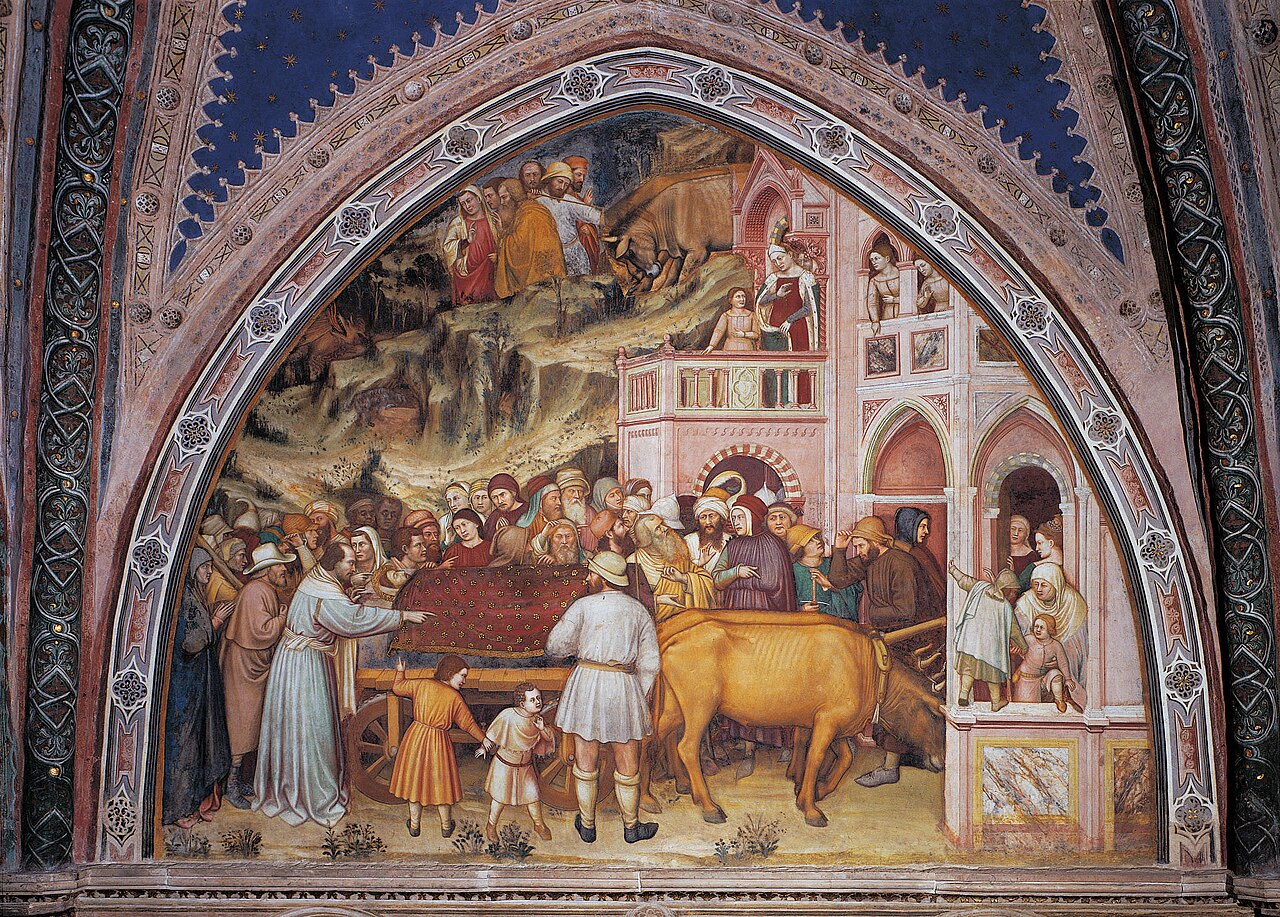
Photo by Mondadori
The legend says that Lupa was a powerful pagan queen. He ruled in Iria Flavia, when he tried to stop the burial of the apostle Santiago in Galicia.
Theodore and Athanasius, James’ two disciples, appealed to her for a wheelbarrow and some oxen. They needed them in order to carry the apostle’s body, in search of a place to bury him.
Queen Lupa agreed, but falsely and testing them, because she offered them some wild animals. With their prayers they managed to make the oxen docile, and to put a yoke on them.
The queen attributed this fact to divine power and converted to Christianity.
The legend of the miracle of the rooster and the hen
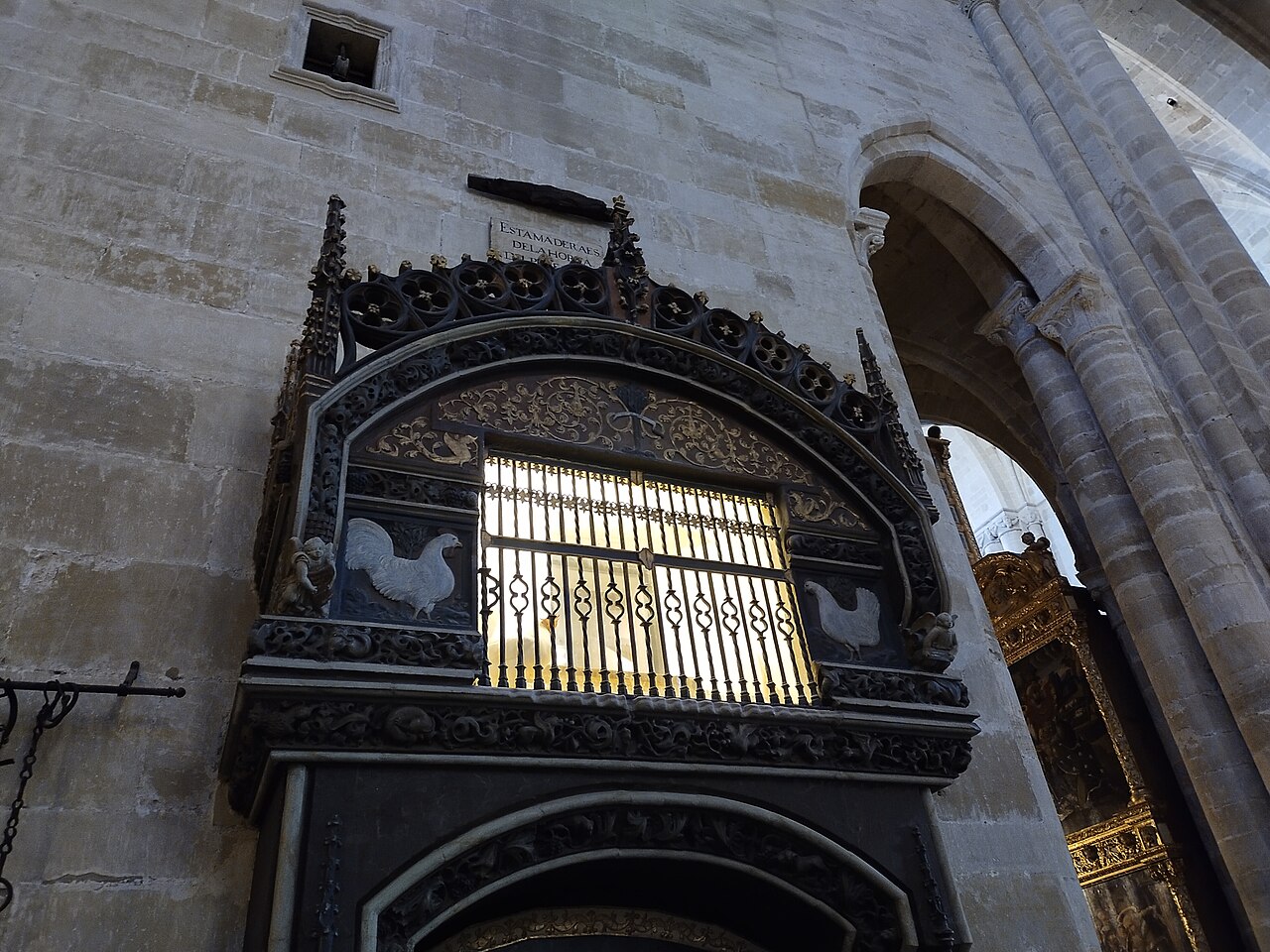
Photo of Luistxo
This story takes place in La Rioja. It goes back to the S. XIV and is one of the most popular on the Camino.
A young German was making the pilgrimage to Santiago with his parents. When they arrived in Santo Domingo de la Calzada, they stopped to rest in an inn, where a maid fell in love with the boy as soon as she saw him.
By failing to reciprocate, she stole a silver cup for revenge, and shoved it into her bank so that she could accuse him of a thief. Despite his innocence, the young man was arrested, tried and sentenced to death by hanging.
The parents, desolate, prayed for him to the apostle James. When they later came to say goodbye to their son, who was already hanging from a tree without life, he spoke to them, telling them that he was alive thanks to the intercession of James himself.
Surprised by what they considered a miracle, they went to tell the city’s councillor. He mocked them by telling them that his son was as alive as the roast rooster and chicken he was about to eat. At that time, both birds revived and began to hunt and cloak. So the miracle happened twice, and this story became a symbol of hope and justice.
The legend of the apostle's ass
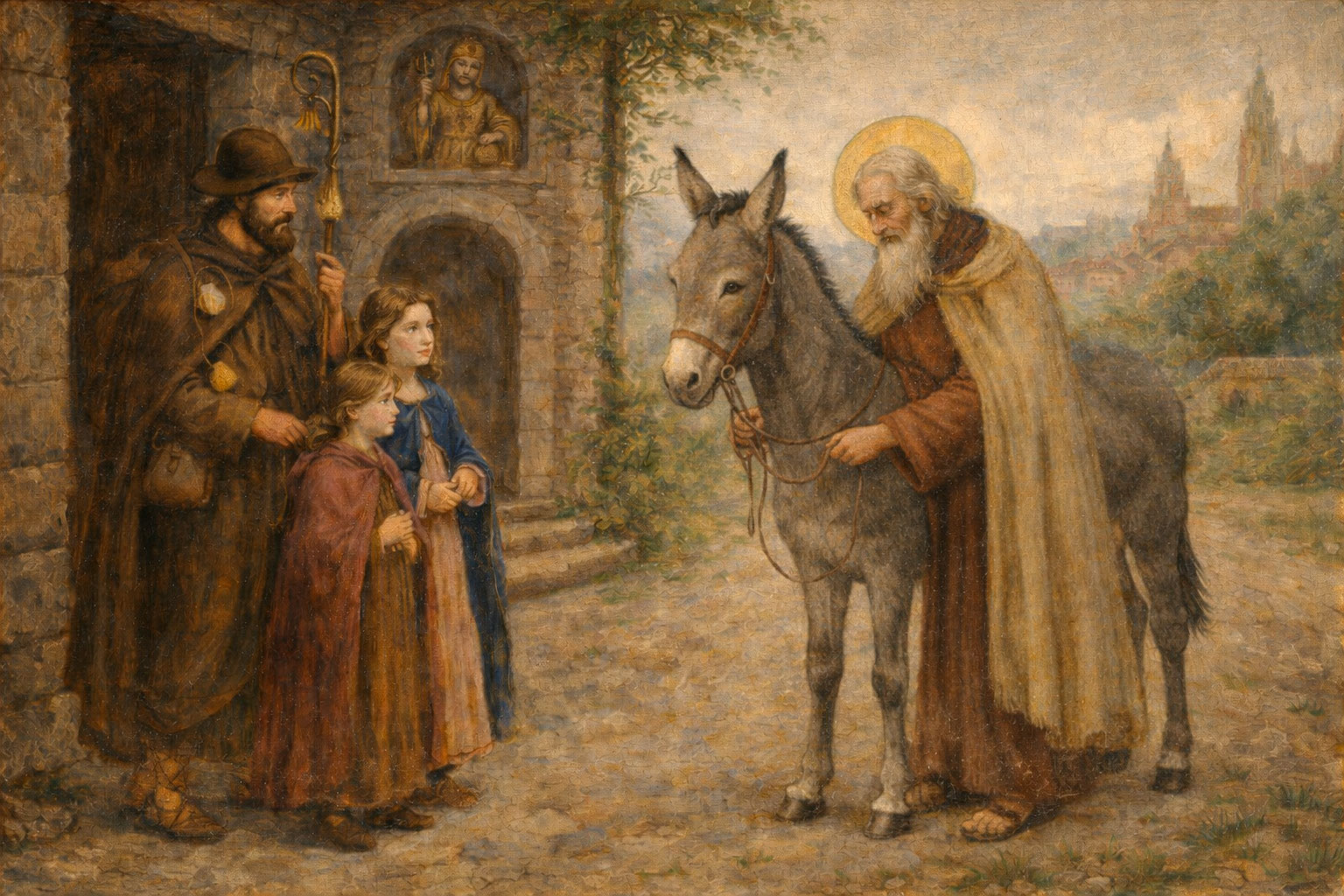
Consumer Photo
During the Camino, a French couple and their two children stopped at a lodging in Pamplona to rest. With such a bad fortune that the woman falls ill and they have to stay there longer than expected.
Finally she dies and, before embarking on the journey again, the owner of the accommodation requires the husband a large sum of money to pay for his stay. Having no debt to settle, he leaves his ass and continues the journey with his children.
In this situation, the family prays to the apostle James asking for help. Days later, an old man crosses his path, offering them his own ass so that they can cope better with the hardest stages of the journey.
On arriving in Santiago, the father has a kind of vision in which he sees the apostle Santiago, recognizing in him the man who helped them and gave them hope.
On their way home, once again passing by the place where they stayed in Pamplona, they discover that the waiter has died in an accident, and that the local people attribute it to a divine punishment for their greed and lack of generosity.
The miracle of O Cebreiro. The holy grail of Galicia
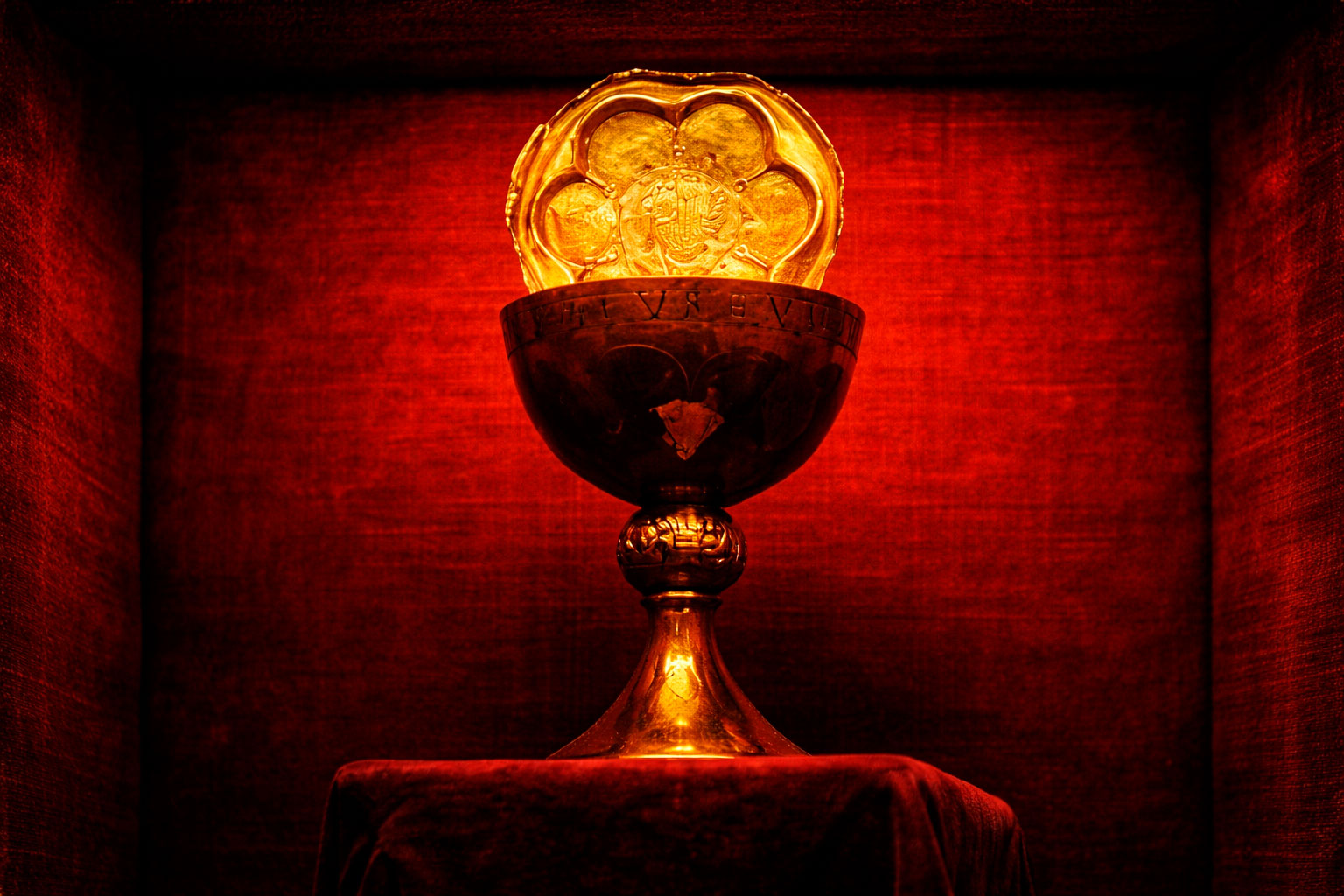
Photo by Consumer
It happened in the Lucense village of O Cebreiro, the first Galician village on the Camino Frances.
On a winter’s day, a neighbour from Barxamaior was preparing to attend the religious service in O Cebreiro, located at about 1,300 meters of altitude. But the bad weather conditions and the great snowfall the night before prevented him from being punctual, arriving just at the moment of the consecration of the Eucharist.
The priest afflicted the peasant who had put his life at risk by attending the Mass, belittling his sacrifice, and at that moment the bread was turned into flesh in the paten, and the wine into blood in the chalice. A miracle that began to be known as the legend of the Galician Holy Grail.
The myth is present in the shield of Galicia, represented with the image of the chalice.
The legend of the pilgrim's shadow
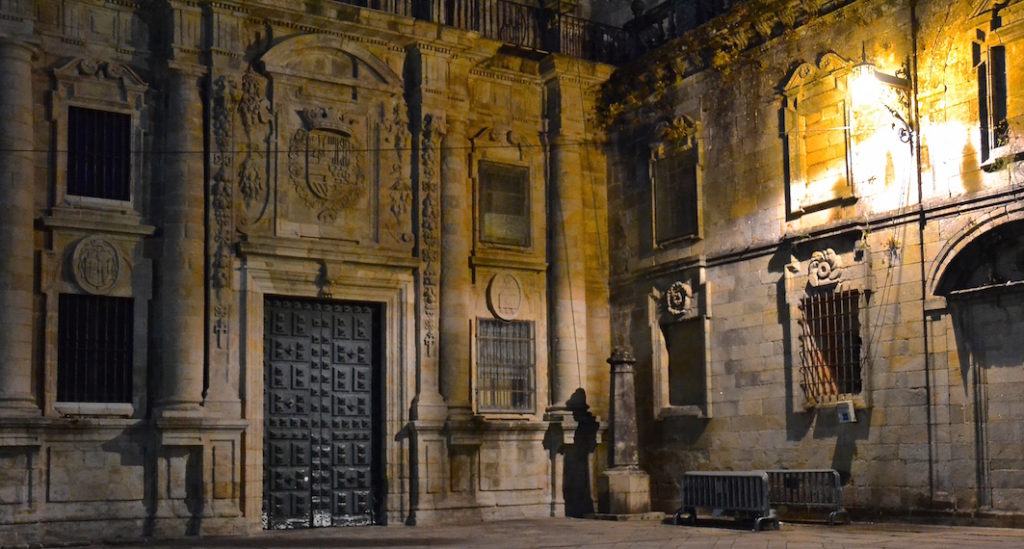
Pilgrim in the Plaza de la Quintana
In the Plaza de la Quintana, in the same Santiago de Compostela, a presence appears when the sun is hidden. It can be seen at the base of the Clock Tower, next to the Holy Door.
It is a shadow that recalls the image of a medieval pilgrim with his coat, hat and cape.
This apparition has given rise to various legends, but the most popular is the one featuring a clergyman from the Cathedral. This religious man was in love with a cloistered nun from the Convent of San Paio, with whom he was quoted passing through a passage connecting the convent and the Cathedral.
Time passed, and seeing that the situation was untenable, the priest proposes to his beloved to flee together. They are left to escape one night, in which he waits for her dressed in the attire of a pilgrim to go unnoticed, but she does not show up.
The shadow would represent his soul in sorrow, which night after night is still waiting for his beloved in the Plaza de la Quintana.
This image, which is actually produced by the nighttime lighting of the cathedral, is one of the most photographed of Santiago.
The legend of the pastors of Estella
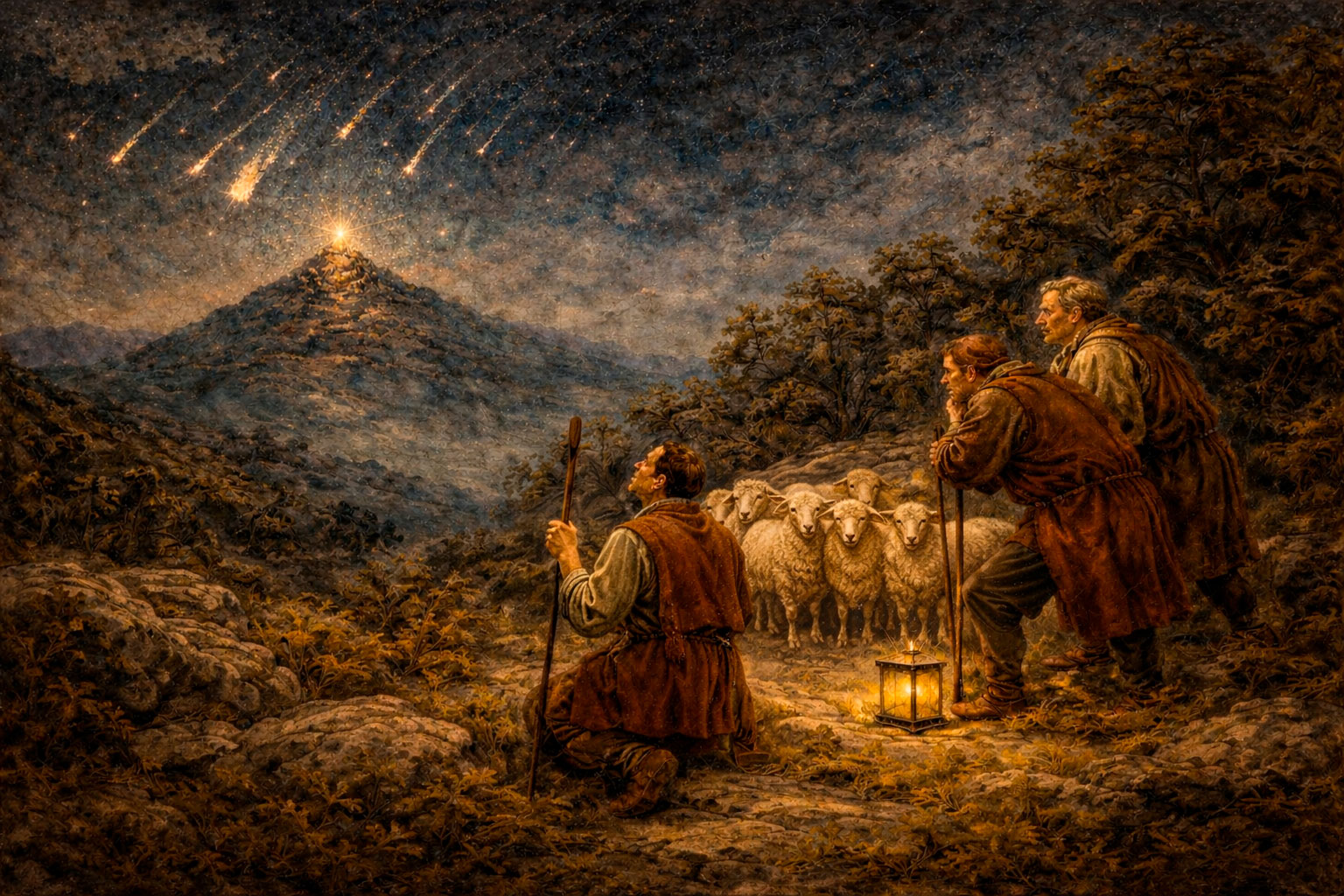
Photo by Consumer
This legend tells how the Basilica of Our Lady of the Puy was erected in Estella, Navarre.
It was the year 1083, and, as usual, shepherds were by night with their sheep on the foothills of Mount Puy. Suddenly, they saw a barrage of stars falling on top of the mountain and decided to approach it to take a look. When they arrived, they found a cave and inside they discovered an image of the virgin.
They warned the parish priest, and tried to move her, but it was not possible. It was as if his will prevented him from getting away from there, and they decided to leave it and build a basilica in the place to honor it.
The Camino de Santiago is not only a physical journey in which to discover beautiful and varied natural and urban environments, it also has a spiritual component and personal transformation, where the most believers live the faith intensely.
The myths and legends of the Camino are stories that enrich the journey. An essential part of the experience so that the pilgrimage becomes an even more extraordinary and meaningful experience.