Article translated by an automatic translation system. Press here for further information.
What is the most beautiful route on the Camino de Santiago?
31/12/2025
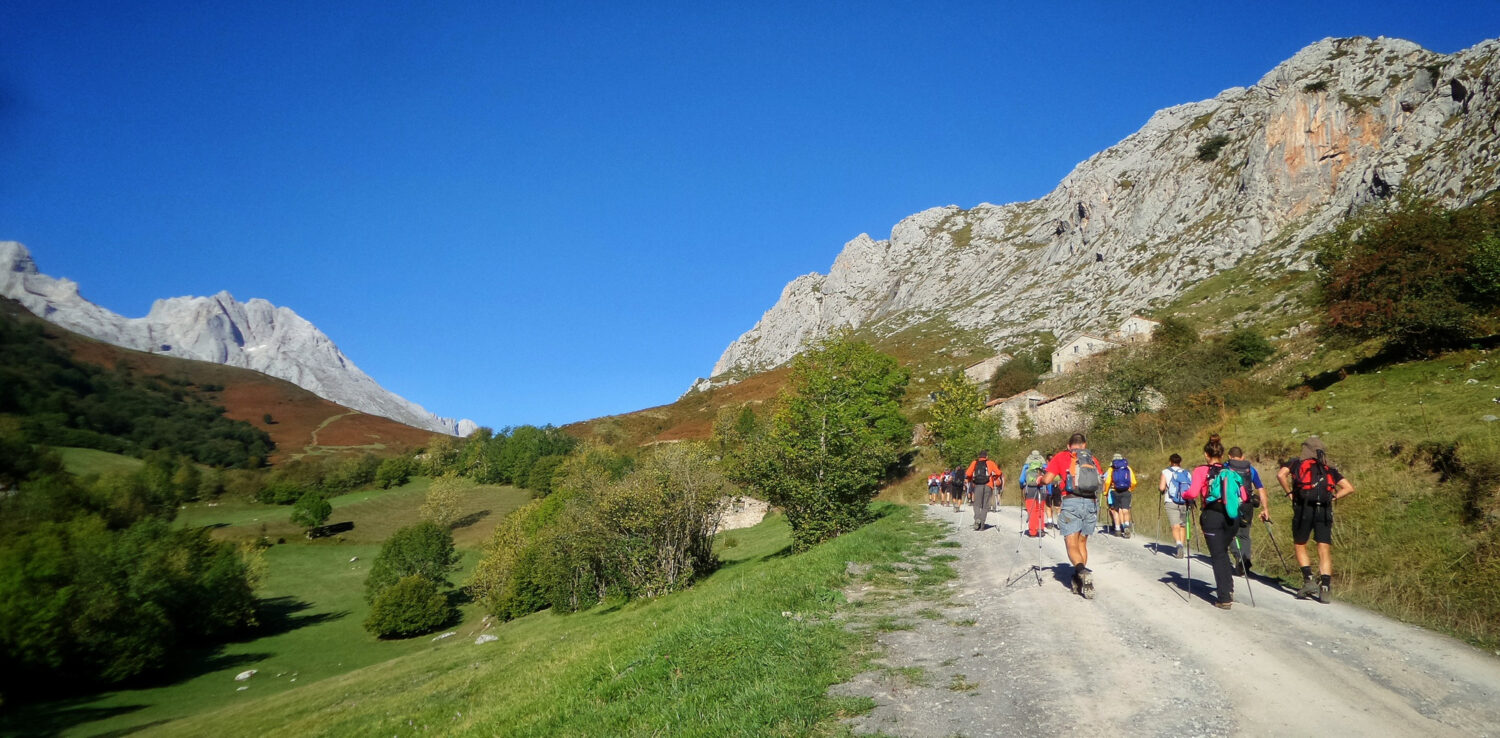 Image:
Wirestock
Image:
Wirestock There are so many, and so different, stages that make up each of the 12 officially recognized roads, that deciding what is the most beautiful route on the Camino de Santiago is practically impossible.
All of them have their own characteristics, and they cross mountain, coastal, rural and urban landscapes, which give them a particular charm with which to marvel and be surprised.
In addition, the perception of beauty is different for each person and has an important subjective component. Therefore, the previous experiences, what we hope to see, live or find during the pilgrimage, will be decisive when making the final balance and forming an opinion.
However, there are some routes that, because of their beauty, do enjoy a greater popularity. We will focus this article on them, taking into account the environment, but also the level of difficulty and the type of pilgrim to which they would adapt best.
The objective is that, at the end of reading this post, you are clear about the route by which you would choose.
Five candidates for the most beautiful route on the Camino de Santiago
The routes that stand out for being the most beautiful and having impressive environments and landscapes are the Camino Frances, the Camino Primitivo, the Camino del Norte, the Camino Português and the Camino Inglés. Let’s see in detail what characterizes each of them.
1 Camino Frances
The Camino Frances is the most known route, animated and traveled by pilgrims.
It was born in France and has two starting points. The longest stretch, with its 940 km to Santiago de Compostela, starts from Somport. The one that is somewhat smaller, with about 800 km, does so from Saint Jean Pied de Port.
Cross the Pyrenees, rural areas and forests of Galicia, vineyards in La Rioja, the Castilian plateau or the Leonese mountains. This variety of natural landscapes, which runs through localities with a great historical and cultural heritage such as Pamplona, Logroño, Burgos and León, make it very complete.
In addition, it has a greater number of services and is better signposted.
If we take away the importance of it being the most popular and more traveled than the others, this is a great choice to travel the Camino de Santiago for the first time. Ideal for beginners.
2 Primitive Way
The Primitive Way is the oldest route of all. It is the first known path, and it is considered the most authentic and raw.
It starts from Oviedo and, with a route of 321 km, crosses mountain trails, lush forests and beautiful green valleys, in a direct and continuous connection with Nature.
It is a hard route, well signposted, which requires a greater effort because it has sections with strong slopes, of many ups and downs. But it advances through mountainous and interior landscapes of great beauty, which more than compensate for the greater physical wear and tear.
It is recommended for people with a good physical preparation and with experience, and for those who want to enjoy a quieter, more intimate and solitary pilgrimage.
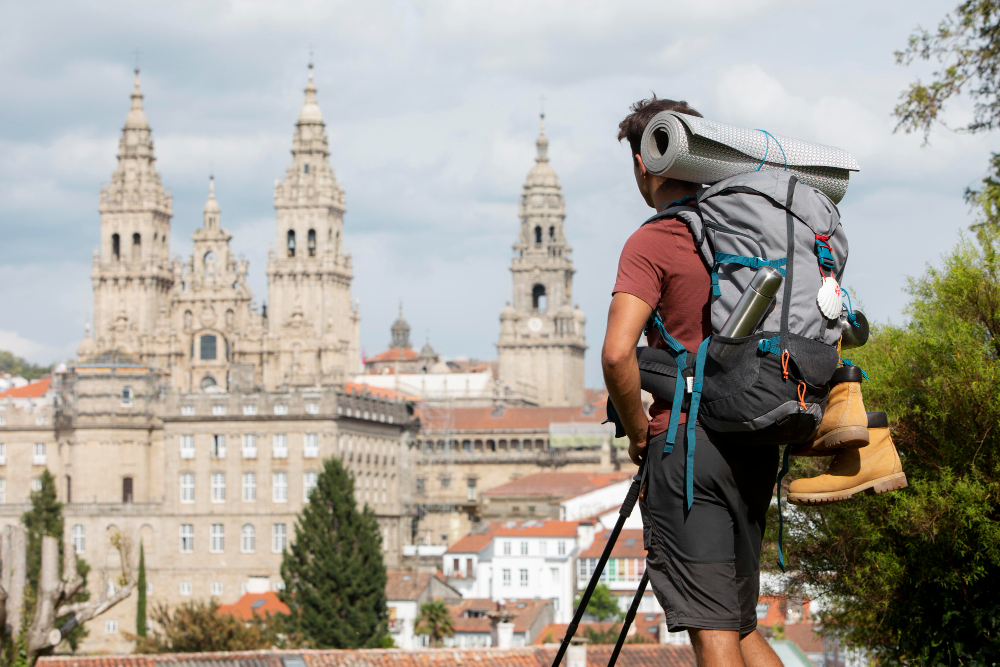
Photo by Freepik
3 Northern Road
The almost 815 km of the Camino del Norte travel the spectacular Cantabrian coast. The starting point is Irún and the end of the route is in Arzúa, A Coruña, Galicia.
Pilgrims can enjoy impressive views of the sea, cliffs and beautiful beaches in contrast to green meadows, hills and the unique mountain and interior landscapes of Galicia.
Along the crossing you can also explore cities such as Bilbao and get to know beautiful coastal towns such as San Sebastián, Zarautz, Castro Urdiales, Laredo or Santander, and marine villages such as Comillas, Llanes or Cudillero.
Like the Camino Primitivo, it is a route of some difficulty and quite demanding, with irregular terrain and uneven levels. This requires a good level of pre-preparation.
The Camino del Norte is very well signposted, although it has fewer accommodation options than other Jacobean routes.
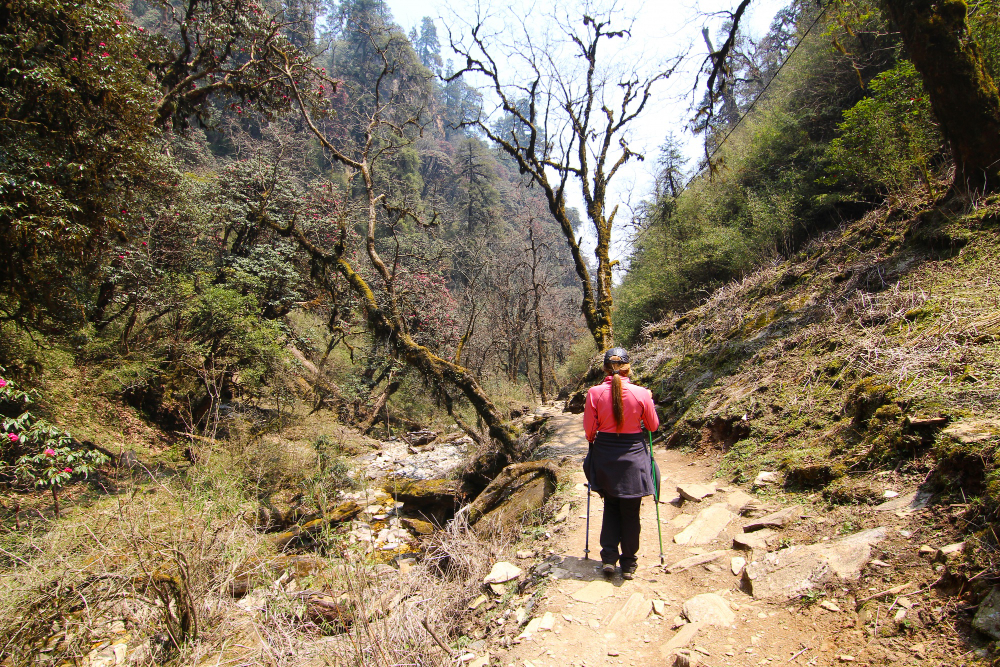
Photo by Tirachard
4 Portuguese Way
The Portuguese Way to Santiago de Compostela can be done from three starting points. From Lisbon, on a journey of 600 km, from Porto, reducing it to about 240 km, or choose the shortest stretch. The latter is the one that starts from Tui, already in Spain, and has only about 120 km. It consists of 6 stages and is the most crowded.
However, of the possible itineraries, the Camino by the coast from Porto is of a spectacular beauty. It borders the Atlantic Ocean along the Portuguese and Galician coastline, offering splendid maritime landscapes, open beaches, dunes, cliffs and incredible sunsets. It also passes through fishing villages and historical cities with much charm such as Viana do Castelo, A Guarda, Baiona or Pontevedra.
It is one of the routes that has fewer slopes, softer and more accessible, so it is suitable for people of different profiles. Behind the Camino Frances is the one that receives the most pilgrims.
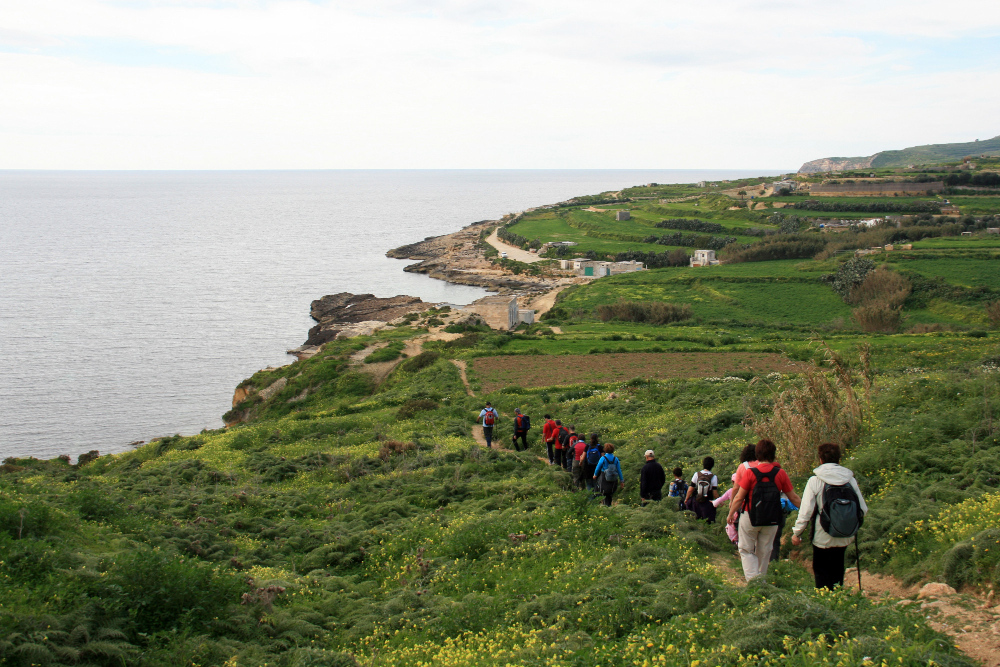
Photo by Wirestock
5 English Way
The English Way provides the shortest option. Two small stages of the route stand out. The one starting from Ferrol to Santiago, of 122 km, is a portable distance to which it is recommended to add another 34 km of the stretch of A Coruña. Both roads converge at one point, Hospital de Bruma.
This tour crosses the natural region of the Rias of Ferrol, Ares, Betanzos and A Coruña, the mouths of the Xubia, Eume, Lambre and Mandeo rivers, with their spectacular river landscapes, marshes, natural parks, lush inland forests, municipalities such as Pontedeume and Betanzos and captivating rural villages.
A beautiful journey, less crowded, which is ideal for brief experiences when pilgrims have fewer days.
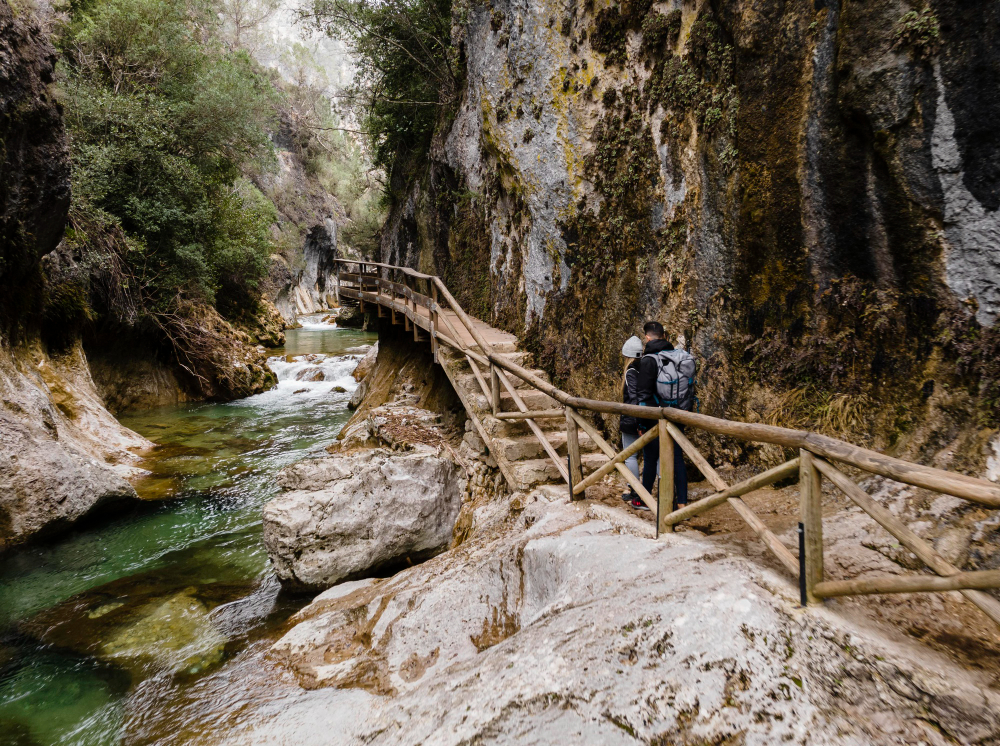
Photo by Freepik
At this point, you may know that there is no route of the Camino de Santiago of greater beauty par excellence. And that these five alternatives are worthy aspirants to contest that honor. With this information we hope to have fulfilled our mission: to help you choose.
Whether it’s your first time, or you are one of those who want to repeat the experience, the natural landscapes, the extraordinary environments, the people, the history and the culture present in all of them, await to be discovered.
Are you ready for what awaits you? You just have to start by deciding which path is perfect for you.